
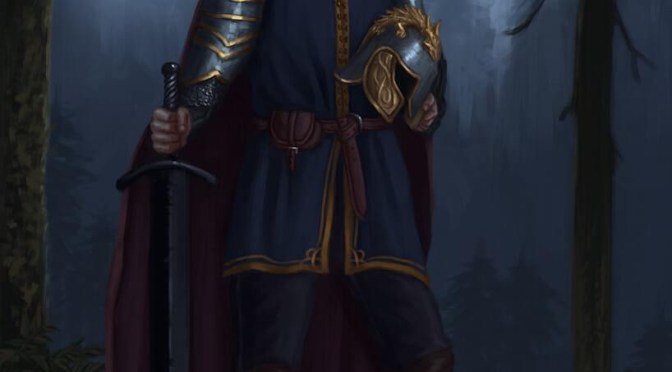
“The Children of Húrin” by J.R.R. Tolkien is a captivating and tragic tale set in the vast and intricate universe of Middle-earth. Edited by Tolkien’s son Christopher Tolkien and published posthumously in 2007, the book delves into the dark and fateful story of the House of Húrin, exploring themes of destiny, heroism, and the consequences of pride and defiance. With its gripping narrative and richly detailed world-building, “The Children of Húrin” offers readers a deeper understanding of the intricate history and mythology that underpin Tolkien’s renowned legendarium.
Summary:
“The Children of Húrin” follows the tragic fate of Túrin Turambar, the ill-fated hero of the House of Húrin. The story takes place in the First Age of Middle-earth, a time of great strife and conflict. Túrin’s life is marked by a series of devastating events, beginning with the curse placed upon his father, Húrin, by Morgoth, the Dark Lord. This curse follows Túrin throughout his life, leading to a string of personal tragedies and the downfall of those he loves.
Túrin, driven by his pride and desire for revenge, embarks on a path that brings about the ruin of those around him. He becomes entangled in webs of deceit, faces betrayal from those he trusts, and unwittingly causes the suffering of innocents. The narrative explores the themes of fate and free will, as Túrin struggles against the doom that seems inexorably tied to his lineage.
Throughout his tumultuous journey, Túrin encounters various characters, including the wise elf Beleg, the mysterious and enigmatic Glaurung the Dragon, and the elven princess Nienor. These encounters shape Túrin’s fate and contribute to the tragic events that unfold.
Key Themes:
1. Tragedy and the Impact of Fate: “The Children of Húrin” is a deeply tragic tale, exploring the impact of destiny and the inescapable consequences of one’s actions. The narrative showcases the interconnectedness of events and the far-reaching consequences of choices made, both by the protagonists and the forces of evil. The tale serves as a reminder of the fragility of mortal lives in a world overshadowed by great powers.
2. Pride and Its Consequences: The book examines the destructive nature of pride and its devastating effects on the characters. Túrin’s arrogance and refusal to heed advice lead to disastrous outcomes, affecting not only his own life but also the lives of those around him. The narrative serves as a cautionary tale about the dangers of hubris and the destructive consequences it can unleash.
3. Redemption and Sacrifice: Despite the tragedy that befalls Túrin and those connected to him, the book also explores the themes of redemption and sacrifice. Characters such as Beleg and Nienor exhibit acts of selflessness and courage in their efforts to save Túrin from his doomed path. Their actions highlight the power of love, compassion, and self-sacrifice as forces that can counterbalance the darkness that pervades Middle-earth.
4. Mythology and World-Building: “The Children of Húrin” further expands on the rich mythology and world-building of Middle-earth. The narrative deepens the reader’s understanding of the complex history and conflicts of this fantastical realm, showcasing Tolkien’s meticulous attention to detail and his ability to create a cohesive and immersive universe.
Conclusion:
“The Children of Húrin” is a powerful and tragic addition to J.R.R. Tolkien’s extensive legendarium. The book delves into the depths of Middle-earth’s history, exploring themes of destiny, pride, redemption, and sacrifice. Through its vivid storytelling and compelling characters, “The Children of Húrin” offers readers a profound and haunting exploration of the consequences of choices made in a world shaped by ancient powers and epic conflicts.
 3 Pillars Podcast