Category Archives: Book Report

My intention is to provide summaries and analysis of books that I love. It is my hope that you find them enjoyable.

The Fall of Númenor by J.R.R. Tolkien – A Tale of Hubris, Corruption, and the Downfall of a Great Civilization

“The Fall of Númenor” by J.R.R. Tolkien offers readers a glimpse into the tragic history of one of the most significant events in Middle-earth’s past. Edited and compiled by Tolkien’s son Christopher Tolkien, this posthumously published work provides a compelling account of the rise, corruption, and ultimate downfall of the island kingdom of Númenor. Through its rich storytelling and thought-provoking themes, “The Fall of Númenor” sheds light on the perils of power, the consequences of pride, and the enduring battle between good and evil.

Summary:

“The Fall of Númenor” takes place in the Second Age of Middle-earth, a time of great changes and the rise of powerful kingdoms. The narrative focuses on the island realm of Númenor, gifted to humankind by the Valar as a reward for their aid in the war against Morgoth. The Númenóreans, blessed with longevity and wisdom, initially flourished and established a mighty civilization that rivaled even the greatest realms of the Elves.

However, over time, the Númenóreans became corrupted by their own greatness and desired immortality. Their pride and envy of the Elves, coupled with the whispers of Sauron, led to a gradual decline in their values and an obsession with power and domination. The narrative follows the downfall of Númenor as the once noble and enlightened people succumb to their hubris and turn against the will of the Valar.

The story centers around key characters such as King Ar-Pharazôn, who is seduced by Sauron’s promises of immortality and seeks to challenge the divine powers. As the Númenóreans embark on a disastrous campaign against the Valar, Eru Ilúvatar, the creator of Middle-earth, intervenes, resulting in the cataclysmic destruction of Númenor and the reshaping of the world.

Key Themes:

1. Hubris and the Corruption of Power: “The Fall of Númenor” explores the destructive effects of hubris and the corruption of power. The Númenóreans, once noble and wise, are lured by their own greatness and the desire for immortality. Their unchecked ambitions and defiance of divine authority ultimately lead to their downfall. The tale serves as a cautionary reminder of the dangers of unchecked pride and the corrupting influence of power.

2. The Consequences of Mortality: Central to the narrative is the theme of mortality and the Númenóreans’ obsession with immortality. The story explores the inherent gift and beauty of mortal life and the importance of embracing its limitations and valuing the time given. The desire for immortality blinds the Númenóreans to the true blessings of their existence, ultimately bringing about their ruin.

3. Good vs. Evil: “The Fall of Númenor” showcases the timeless struggle between good and evil. Sauron, representing the forces of darkness and corruption, manipulates the pride and desires of the Númenóreans to further his own ends. The narrative highlights the importance of resisting temptation and remaining true to the principles of goodness, even in the face of overwhelming temptation.

4. Mythology and World-Building: As with many of Tolkien’s works, “The Fall of Númenor” contributes to the rich mythology and world-building of Middle-earth. The book provides deeper insights into the history and lore of the Second Age, shedding light on the epic conflicts and the enduring legacy of Númenor.

Conclusion:

“The Fall of Númenor” is a compelling and cautionary tale that explores the themes of hubris, corruption, and the consequences of power. Through its thought-provoking narrative, J.R.R. Tolkien invites readers to reflect on the dangers of pride and the delicate balance between mortal life and the pursuit of greatness. This captivating account deepens our understanding of Middle-earth’s history and serves as a poignant reminder of the enduring power of Tolkien’s storytelling.

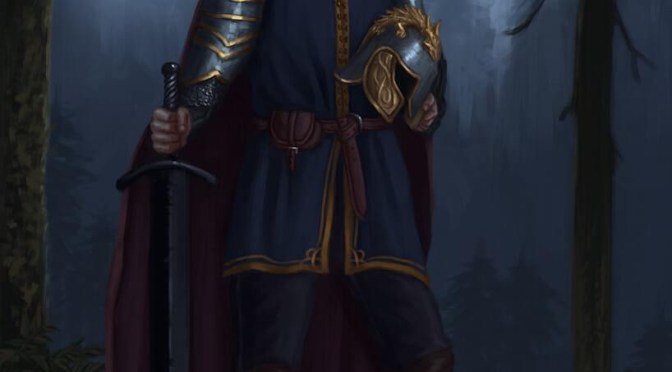
The Fall of Gondolin by J.R.R. Tolkien – A Tale of Heroism and Tragedy in Middle-Earth

“The Fall of Gondolin” by J.R.R. Tolkien is a posthumously published work that delves into one of the most captivating and tragic stories from the legendarium of Middle-earth. Edited by Tolkien’s son Christopher Tolkien and released in 2018, the book showcases the author’s unparalleled storytelling and imaginative prowess. “The Fall of Gondolin” takes readers on a journey to the hidden elven city of Gondolin, offering a gripping account of its rise, downfall, and the heroic efforts to defend it.

Summary:

“The Fall of Gondolin” is set in the First Age of Middle-earth, a time of great conflicts and monumental events. The narrative follows Tuor, a human hero guided by the Vala Ulmo, as he embarks on a perilous journey to find the hidden city of Gondolin. Tuor’s arrival in Gondolin sparks hope and inspires its people to prepare for the impending war against Morgoth, the Dark Lord.

Tolkien intricately depicts the beauty and grandeur of Gondolin, a city crafted with exquisite elven craftsmanship. However, the secrecy of Gondolin is compromised when Maeglin, a treacherous elf who desires power and the love of Tuor’s wife, Idril, reveals its location to Morgoth. As the forces of evil converge upon Gondolin, a dramatic and devastating battle unfolds, leading to the tragic fall of the city.

The story encompasses heroic deeds, epic battles, and personal sacrifices as the defenders of Gondolin, including its elven king Turgon, the swordsmith Ecthelion, and the mighty warrior Tuor, valiantly fight against overwhelming odds. The account of their struggle against Morgoth’s armies and the subsequent fall of Gondolin presents a deeply moving and tragic tale of heroism.

Key Themes:

1. Heroism and Sacrifice: “The Fall of Gondolin” explores the themes of heroism and sacrifice in the face of overwhelming adversity. The characters exhibit unwavering courage and selflessness, willingly risking their lives to protect their beloved city. Their sacrifices highlight the profound impact that individual choices and actions can have in the battle against evil.

2. Tragedy and Loss: The book masterfully depicts the tragedy of Gondolin’s fall, showcasing the devastating consequences of betrayal and the unstoppable might of Morgoth’s forces. The loss of a once-great city and its inhabitants serves as a reminder of the vulnerability of even the most majestic realms in the face of darkness.

3. The Power of Hope: Amidst the darkness and despair, “The Fall of Gondolin” emphasizes the power of hope and the ability of individuals to inspire change. The arrival of Tuor in Gondolin sparks a renewed sense of purpose and determination among its people, reminding readers of the importance of hope even in the darkest of times.

4. The Complexity of Characters: Tolkien’s rich characterizations are evident in “The Fall of Gondolin.” From the noble and valiant to the treacherous and conflicted, the characters possess depth and complexity. They face internal struggles, make difficult choices, and confront the consequences of their actions, showcasing the multidimensionality of Tolkien’s creations.

Conclusion:

“The Fall of Gondolin” stands as a captivating addition to J.R.R. Tolkien’s extensive legendarium, offering readers a poignant and tragic tale set in the vast tapestry of Middle-earth. Through its themes of heroism, sacrifice, tragedy, and hope, the book showcases Tolkien’s unmatched storytelling prowess and his ability to craft rich and engaging narratives. For fans of Tolkien’s works, “The Fall of Gondolin” serves as a captivating exploration of one of Middle-earth’s most pivotal moments, further deepening the reader’s appreciation for the immersive and enduring world Tolkien created.

The Children of Húrin by J.R.R. Tolkien – Tragedy, Destiny, and Redemption in Middle-Earth

“The Children of Húrin” by J.R.R. Tolkien is a captivating and tragic tale set in the vast and intricate universe of Middle-earth. Edited by Tolkien’s son Christopher Tolkien and published posthumously in 2007, the book delves into the dark and fateful story of the House of Húrin, exploring themes of destiny, heroism, and the consequences of pride and defiance. With its gripping narrative and richly detailed world-building, “The Children of Húrin” offers readers a deeper understanding of the intricate history and mythology that underpin Tolkien’s renowned legendarium.

Summary:

“The Children of Húrin” follows the tragic fate of Túrin Turambar, the ill-fated hero of the House of Húrin. The story takes place in the First Age of Middle-earth, a time of great strife and conflict. Túrin’s life is marked by a series of devastating events, beginning with the curse placed upon his father, Húrin, by Morgoth, the Dark Lord. This curse follows Túrin throughout his life, leading to a string of personal tragedies and the downfall of those he loves.

Túrin, driven by his pride and desire for revenge, embarks on a path that brings about the ruin of those around him. He becomes entangled in webs of deceit, faces betrayal from those he trusts, and unwittingly causes the suffering of innocents. The narrative explores the themes of fate and free will, as Túrin struggles against the doom that seems inexorably tied to his lineage.

Throughout his tumultuous journey, Túrin encounters various characters, including the wise elf Beleg, the mysterious and enigmatic Glaurung the Dragon, and the elven princess Nienor. These encounters shape Túrin’s fate and contribute to the tragic events that unfold.

Key Themes:

1. Tragedy and the Impact of Fate: “The Children of Húrin” is a deeply tragic tale, exploring the impact of destiny and the inescapable consequences of one’s actions. The narrative showcases the interconnectedness of events and the far-reaching consequences of choices made, both by the protagonists and the forces of evil. The tale serves as a reminder of the fragility of mortal lives in a world overshadowed by great powers.

2. Pride and Its Consequences: The book examines the destructive nature of pride and its devastating effects on the characters. Túrin’s arrogance and refusal to heed advice lead to disastrous outcomes, affecting not only his own life but also the lives of those around him. The narrative serves as a cautionary tale about the dangers of hubris and the destructive consequences it can unleash.

3. Redemption and Sacrifice: Despite the tragedy that befalls Túrin and those connected to him, the book also explores the themes of redemption and sacrifice. Characters such as Beleg and Nienor exhibit acts of selflessness and courage in their efforts to save Túrin from his doomed path. Their actions highlight the power of love, compassion, and self-sacrifice as forces that can counterbalance the darkness that pervades Middle-earth.

4. Mythology and World-Building: “The Children of Húrin” further expands on the rich mythology and world-building of Middle-earth. The narrative deepens the reader’s understanding of the complex history and conflicts of this fantastical realm, showcasing Tolkien’s meticulous attention to detail and his ability to create a cohesive and immersive universe.

Conclusion:

“The Children of Húrin” is a powerful and tragic addition to J.R.R. Tolkien’s extensive legendarium. The book delves into the depths of Middle-earth’s history, exploring themes of destiny, pride, redemption, and sacrifice. Through its vivid storytelling and compelling characters, “The Children of Húrin” offers readers a profound and haunting exploration of the consequences of choices made in a world shaped by ancient powers and epic conflicts.

Beren and Lúthien by J.R.R. Tolkien – A Tale of Love, Courage, and Sacrifice

“Beren and Lúthien” by J.R.R. Tolkien is a captivating and poignant story set in the vast and intricate universe of Middle-earth. Edited by Tolkien’s son Christopher Tolkien and published posthumously in 2017, the book chronicles the epic and enduring love story between Beren, a mortal man, and Lúthien, an immortal elf maiden. Rooted in Tolkien’s legendarium, “Beren and Lúthien” showcases the author’s mastery of storytelling, rich mythology, and his ability to convey the power of love amidst a world fraught with danger.

Summary:

“Beren and Lúthien” follows the extraordinary journey of Beren, a human, and Lúthien, an elf princess. Their love defies boundaries and transcends the divides between races in Middle-earth. Beren, driven by his love for Lúthien, embarks on a perilous quest to retrieve one of the Silmarils, the legendary jewels coveted by Morgoth, the Dark Lord. To achieve this, Beren and Lúthien face numerous trials and encounter treacherous creatures, including the monstrous wolf Carcharoth and the dreaded Sauron.

Tolkien weaves a captivating narrative as the couple navigates through the perilous lands of Doriath, Nargothrond, and Tol Galen, demonstrating their courage and unwavering devotion. Beren and Lúthien’s path is fraught with sacrifices and hardships, yet they persist in their quest, driven by their love for one another and their desire to protect the world from the malevolent forces of Morgoth.

The story highlights the profound love between Beren and Lúthien, showcasing the strength and bravery of mortal and immortal alike. Their tale also explores the themes of mortality, immortality, and the choices individuals make in the face of great adversity.

Key Themes:

1. Love and Sacrifice: At the heart of “Beren and Lúthien” lies a tale of love that transcends boundaries. The selflessness and sacrifices made by the protagonists highlight the transformative power of love and the lengths to which individuals are willing to go to protect and be with their beloved. Their story underscores the profound impact of love in the face of great challenges.

2. Mortality and Immortality: The book delves into the dichotomy between mortals and immortals, portraying the bittersweet nature of mortal life and the everlasting existence of the elves. The relationship between Beren and Lúthien raises questions about the limitations and blessings associated with mortality and immortality and explores the desire for eternal life.

3. Heroism and Bravery: “Beren and Lúthien” showcases the heroic deeds and bravery of its protagonists. Beren’s unwavering determination and Lúthien’s magical abilities exemplify the courage required to confront evil and overcome seemingly insurmountable challenges. The story emphasizes the transformative power of individual acts of bravery.

4. Mythology and Middle-earth Lore: As with many of Tolkien’s works, “Beren and Lúthien” offers a rich tapestry of mythology, deepening the reader’s understanding of the history and lore of Middle-earth. The book expands on the complex web of relationships and events that shape the world, showcasing Tolkien’s ability to create a cohesive and immersive universe.

Conclusion:

“Beren and Lúthien” is a testament to J.R.R. Tolkien’s remarkable storytelling and his ability to infuse his works with themes of love, courage, and sacrifice. The book presents a poignant and timeless tale that resonates with readers , exploring the power of love and the enduring nature of heroic deeds. For fans of Tolkien’s legendarium, “Beren and Lúthien” offers a compelling glimpse into the rich mythology and enchanting world of Middle-earth, further enhancing their appreciation for his masterful storytelling.

The Return of the King by J.R.R. Tolkien – An Epic Conclusion to the Battle for Middle-Earth

“The Return of the King” by J.R.R. Tolkien is the final volume in the iconic “The Lord of the Rings” trilogy, originally published in 1955. This grand finale brings the sweeping epic of Middle-earth to its climactic conclusion, intertwining multiple storylines, resolving lingering conflicts, and delivering a satisfying resolution to the fate of the realm. With its richly realized world, complex characters, and exploration of themes such as heroism, sacrifice, and the enduring power of hope, “The Return of the King” stands as a monumental work of fantasy literature.

Summary:

“The Return of the King” continues the intricate tapestry of “The Lord of the Rings” as the forces of good and evil converge for a final, decisive battle. The narrative unfolds across multiple perspectives and storylines, weaving together the following key events:

1. The Journey of Frodo and Sam: Frodo Baggins and Samwise Gamgee press forward in their perilous quest to destroy the One Ring. Navigating the treacherous landscape of Mordor, they encounter the sinister Gollum, face inner turmoil, and ultimately reach the precipice of Mount Doom, where the fate of Middle-earth hangs in the balance.

2. The Battle for Gondor: The city of Gondor becomes the focal point of a desperate defense against the armies of Sauron. Aragorn, rightful heir to the throne, emerges as a central figure, rallying the remaining forces of light to resist the darkness. The Battle of Pelennor Fields unfolds, showcasing acts of valor, loss, and the ultimate triumph of hope.

3. The Journey of Merry and Pippin: Merry Brandybuck and Pippin Took, the two hobbits separated from the Fellowship, find themselves embroiled in their own adventures. They encounter the Ents, ancient tree-like beings, and play crucial roles in the decisive Battle of Isengard.

4. The Quest for the Ring’s Destruction: As the various storylines converge, the characters face immense challenges and personal sacrifices. They confront their own fears, confrontations with evil, and the weight of their destinies as they strive to destroy the One Ring and thwart Sauron’s dominion over Middle-earth.

Throughout the narrative, the characters experience profound moments of self-discovery, forge unbreakable bonds of friendship, and demonstrate unwavering determination to protect their beloved homeland.

Key Themes:

1. Heroism and Sacrifice: “The Return of the King” explores the themes of heroism and sacrifice, as characters face insurmountable odds and make selfless choices for the greater good. The unwavering bravery of Frodo, Sam, Aragorn, and others exemplifies the transformative power of courage and the willingness to lay down one’s life for a cause.

2. Hope and Resilience: The novel emphasizes the enduring power of hope and resilience in the face of overwhelming darkness. As the forces of evil threaten to engulf Middle-earth, the characters cling to hope, finding strength in their unwavering belief that good will prevail. The narrative showcases the indomitable spirit of individuals and their ability to rise above despair.

3. Redemption and Forgiveness: “The Return of the King” explores themes of redemption and forgiveness as characters face their past mistakes and seek redemption for their actions. From Gollum’s tragic fate to the conflict within Boromir’s character, the book highlights the potential for redemption and the capacity for forgiveness, even in the face of great transgressions.

4. The Power of Friendship and Unity: The novel underscores the significance of friendship and unity in the face of adversity. The bonds forged among the characters, their unyielding support for one another, and their shared determination to protect their world showcase the transformative power of friendship and the strength that can be derived from unity.

Conclusion:

“The Return of the King” is a monumental conclusion to J.R.R. Tolkien’s “The Lord of the Rings” trilogy, delivering an epic and satisfying resolution to the battle for Middle-earth. Through its intricate storytelling, vivid world-building, and exploration of timeless themes, the book captures the hearts and imaginations of readers. With its emphasis on heroism, sacrifice, and the indomitable power of hope, “The Return of the King” solidifies Tolkien’s status as a master of fantasy literature, leaving a lasting impact on generations of readers.

The Two Towers by J.R.R. Tolkien – A Gripping Continuation of the Quest for Middle-Earth’s Fate

“The Two Towers” by J.R.R. Tolkien is the second volume in the monumental “The Lord of the Rings” trilogy, first published in 1954. Building upon the events of “The Fellowship of the Ring,” this captivating fantasy novel takes readers deeper into the vast and intricate world of Middle-earth. With its intricate plot, dynamic characters, and exploration of themes such as loyalty, resilience, and the enduring struggle between light and darkness, “The Two Towers” continues Tolkien’s epic tale with great depth and intensity.

Summary:

“The Two Towers” follows the divergent paths of the members of the broken Fellowship after the devastating events of the first book. The narrative unfolds across multiple storylines, focusing on the following key characters and their journeys:

1. Frodo and Sam: Frodo Baggins and Samwise Gamgee continue their perilous quest to destroy the One Ring. They face numerous challenges as they traverse the treacherous lands of Mordor, striving to evade the watchful eye of the Dark Lord Sauron.

2. Aragorn, Legolas, and Gimli: The three remaining members of the fellowship pursue the kidnapped hobbits Merry and Pippin, who have been captured by the sinister orcs. Along their path, they encounter the ancient and mysterious Ents, engage in the Battle of Helm’s Deep, and eventually unite with Gandalf the White.

3. Gandalf: Having returned as Gandalf the White, the wizard takes a leading role in the struggle against Sauron’s forces. He provides guidance and aid to various characters, ultimately becoming instrumental in their quests.

The intertwining storylines explore the themes of perseverance, sacrifice, and the indomitable spirit in the face of overwhelming odds. The characters confront their own limitations, confrontations with evil, and the harsh realities of a war-ravaged world. Their individual struggles gradually converge toward a climactic showdown that will determine the fate of Middle-earth.

Key Themes:

1. Resilience and Perseverance: “The Two Towers” emphasizes the importance of resilience and perseverance in the face of adversity. The characters encounter numerous setbacks, personal doubts, and physical challenges, yet they continue to press forward in their quests. Their determination in the face of overwhelming odds serves as an inspiration to readers.

2. Loyalty and Friendship: The novel delves into the themes of loyalty and friendship, exploring the deep bonds forged between the characters. Despite the physical and emotional distance that separates them, the members of the Fellowship and their allies remain loyal and committed to one another. Their unwavering support and selfless acts of friendship demonstrate the power of unity in the face of darkness.

3. The Corrupting Influence of Power: “The Two Towers” continues to explore the nature of power and its corrupting influence. The lure of the One Ring becomes more pronounced, testing the characters’ resolve and revealing the temptations and vulnerabilities they face. The book serves as a reminder of the dangers of unchecked power and the fragility of individuals in its presence.

4. The Battle between Light and Darkness: The ongoing battle between light and darkness remains a central theme throughout the narrative. The forces of Sauron and his allies seek to extinguish hope and plunge Middle-earth into eternal darkness. The characters represent beacons of light, striving to preserve hope and resist the encroaching shadow.

Conclusion:

“The Two Towers” is a captivating and essential continuation of Tolkien’s epic fantasy saga. Through its intricate plotlines, vibrant characters, and exploration of timeless themes, the book immerses readers in the richly imagined world of Middle-earth. Tolkien’s masterful storytelling and profound insights into the human condition make “The Two Towers” a gripping and thought-provoking read. It sets the stage for the climactic conclusion in “The Return of the King,” solidifying its place as a cornerstone of fantasy literature.

The Fellowship of the Ring by J.R.R. Tolkien – A Riveting Tale of Heroism, Friendship, and the Quest for Middle-Earth’s Salvation

“The Fellowship of the Ring” by J.R.R. Tolkien is the first volume in the iconic “The Lord of the Rings” trilogy, published in 1954. This epic fantasy novel introduces readers to a vast and intricately crafted world of Middle-earth and sets the stage for an unforgettable adventure. With its richly detailed storytelling, complex characters, and profound themes, “The Fellowship of the Ring” captures the imagination and leaves an indelible mark on the genre of fantasy literature.

Summary:

“The Fellowship of the Ring” opens in the peaceful Shire, home of the hobbits, and follows the hobbit Frodo Baggins as he is entrusted with a perilous task. Frodo inherits the One Ring, a powerful artifact that holds immense power and is sought by the Dark Lord Sauron, who desires to conquer Middle-earth. With the guidance of the wizard Gandalf, Frodo embarks on a dangerous journey to destroy the Ring in the fires of Mount Doom, Sauron’s stronghold.

As Frodo sets out, he is joined by a diverse group of companions representing different races and backgrounds, forming the eponymous Fellowship of the Ring. The fellowship includes hobbits Samwise Gamgee, Merry Brandybuck, and Pippin Took; the brave humans Aragorn and Boromir; the wise elf Legolas; the valiant dwarf Gimli, and the wizard Gandalf. Together, they face treacherous landscapes, encounter mythical creatures, and confront the forces of darkness that seek to thwart their mission.

The narrative encompasses a wide range of events and encounters, including the haunting journey through the Mines of Moria, the perilous pursuit by the Ringwraiths, and the formation of deep friendships within the fellowship. The book concludes with the breaking of the fellowship and Frodo’s decision to continue the quest with Sam by his side.

Key Themes:

1. The Burden of Responsibility: “The Fellowship of the Ring” explores the theme of bearing the weight of responsibility. Frodo, as the Ring-bearer, must carry the immense burden of the Ring, knowing its corrupting influence and the peril it poses to all of Middle-earth. This theme highlights the sacrifices and challenges that come with accepting a great responsibility and the inner strength required to carry it.

2. Friendship and Loyalty: The novel emphasizes the power of friendship and loyalty as the members of the fellowship forge deep bonds in their shared quest. The unwavering loyalty of Sam, the steadfast support of Samwise, and the selfless sacrifices made by the companions demonstrate the strength and importance of genuine friendship in the face of adversity.

3. Good vs. Evil: “The Fellowship of the Ring” explores the timeless conflict between good and evil. The narrative vividly portrays the malevolence of Sauron and his minions, contrasting them with the bravery and determination of the fellowship. This theme underscores the significance of individuals standing up against darkness and the capacity of even the smallest and most unlikely heroes to make a difference.

4. The Nature of Power: The book delves into the nature of power and its corrupting influence. The One Ring symbolizes the allure and peril of power, with characters like Boromir succumbing to its temptation. The narrative serves as a cautionary tale, warning against the seductive nature of power and the moral choices it presents.

Conclusion:

“The Fellowship of the Ring” is a masterfully crafted and enthralling tale that introduces readers to the vast and enchanting world of Middle-earth. With its memorable characters, epic quests, and exploration of profound themes, the book lays the foundation for the epic journey that unfolds in “The Lord of the Rings” trilogy. Tolkien’s rich prose and meticulous world-building transport readers to a realm where heroism, friendship, and the struggle against evil take center stage. “The Fellowship of the Ring” is a true classic of fantasy literature, captivating readers of all ages and inspiring generations to embark on their own quests for courage and fellowship.

The Hobbit by J.R.R. Tolkien – An Enchanting Adventure of Bilbo Baggins in Middle-Earth

“The Hobbit” by J.R.R. Tolkien is a timeless and enchanting tale that serves as a prelude to the epic “The Lord of the Rings” trilogy. First published in 1937, this beloved novel introduces readers to the fantastical world of Middle-earth and follows the unexpected journey of Bilbo Baggins, a hobbit, as he embarks on an adventure filled with danger, discovery, and self-discovery. With its captivating storytelling, vivid characters, and immersive world-building, “The Hobbit” has become a classic work of fantasy literature.

Summary :

“The Hobbit” takes place in Middle-earth, a land populated by various creatures, including hobbits, dwarves, elves, and dragons. The story follows the unassuming hobbit Bilbo Baggins, who is swept away from his quiet life in the Shire by the wizard Gandalf and a group of thirteen dwarves led by Thorin Oakenshield. Their quest is to reclaim the lost dwarf kingdom of Erebor, which has been usurped by the fearsome dragon Smaug.

As Bilbo ventures into the unknown, he encounters a host of captivating characters and faces numerous challenges, including encounters with trolls, goblins, giant spiders, and the enigmatic creature Gollum. Along the way, Bilbo discovers courage and resourcefulness within himself, surprising both his companions and himself.

The narrative weaves together elements of adventure, suspense, humor, and profound moments of character development. Bilbo’s encounters and experiences shape him into a more confident and capable hobbit, demonstrating the transformative power of stepping outside one’s comfort zone and embracing the unknown.

Key Themes:

1. Adventure and Heroism: “The Hobbit” celebrates the spirit of adventure and heroism as Bilbo is thrust into a quest far beyond his imagination. Through his bravery, wit, and unexpected heroism, Bilbo demonstrates that even the most unassuming individuals can rise to the challenges they face. The book emphasizes the potential for greatness within each person, regardless of their size or background.

2. Friendship and Loyalty: The novel explores the themes of friendship and loyalty as Bilbo and the dwarves forge a bond during their perilous journey. Despite their differences and occasional disagreements, they learn to rely on one another and work as a team. Bilbo’s loyalty to his companions, as well as their loyalty to him, forms a central aspect of the narrative, underscoring the importance of steadfastness and mutual support.

3. The Nature of Good and Evil: “The Hobbit” delves into the nature of good and evil, presenting characters that embody both aspects. From the benevolent Gandalf and noble elves to the malevolent dragon Smaug and the treacherous Gollum, the book explores the complexities of morality and the choices individuals make in the face of temptation and power.

4. Home and Belonging: Throughout the story, Bilbo grapples with a sense of longing for his cozy hobbit hole in the Shire. This theme of home and belonging resonates with readers, reminding them of the comfort and security found in familiar surroundings. Bilbo’s journey serves as a metaphorical exploration of personal growth and the discovery that home is not only a physical place but also a state of mind.

Conclusion:

“The Hobbit” by J.R.R. Tolkien is a remarkable work of fantasy literature that has captured the hearts and imaginations of readers for generations. Through its engaging narrative, memorable characters, and vivid world-building, the book invites us to embark on a thrilling adventure alongside Bilbo Baggins, while exploring universal themes of courage , friendship, and the transformative power of self-discovery. As the precursor to “The Lord of the Rings,” “The Hobbit” lays the foundation for Tolkien’s grand vision of Middle-earth and leaves readers eager to delve further into this mesmerizing realm of fantasy.

The Silmarillion by J.R.R. Tolkien – A Mythological Tapestry of Middle-Earth

“The Silmarillion” by J.R.R. Tolkien is a monumental and ambitious work that delves deep into the mythological history of Middle-earth. Published posthumously in 1977, the book serves as a comprehensive collection of Tolkien’s mythopoeic writings, weaving together tales of creation, heroic deeds, tragic battles, and the rise and fall of empires. With its rich tapestry of stories, “The Silmarillion” provides invaluable insight into the vast and intricate universe that serves as the backdrop to Tolkien’s renowned “The Lord of the Rings” trilogy.

Summary:

“The Silmarillion” is divided into several distinct parts, each presenting different epochs and pivotal events in the history of Arda, the fictional world Tolkien created. It begins with the creation myth, the Ainulindalë, where the omnipotent deity Eru Ilúvatar brings forth the Ainur, powerful angelic beings who shape the fabric of the world through their music. This creation myth sets the stage for the subsequent stories and themes explored throughout the book.

The narrative then moves into the Valaquenta, which provides a detailed account of the Valar, the gods and goddesses who descended to Arda to shape its lands and guide its inhabitants. Tolkien introduces the reader to characters such as Manwë, Ulmo, and Melkor, the rebellious Vala whose actions drive much of the conflict in the later tales.

The core section of the book, the Quenta Silmarillion, focuses on the tumultuous events of the First Age of Middle-earth. It introduces the Elves, their rise to power, and their struggles against Melkor, who becomes known as Morgoth, the Dark Enemy. These stories follow prominent Elven characters such as Fëanor and his sons, as they embark on quests to retrieve the stolen Silmarils, three precious gems crafted by Fëanor that become the center of much of the tale’s conflicts.

The Quenta Silmarillion also encompasses the epic wars and tragedies that shaped Middle-earth, including the battles between the Elves and Morgoth, the rise and fall of Númenor, the creation of the Rings of Power, and the Last Alliance of Elves and Men against Sauron, setting the stage for the events of “The Lord of the Rings.”

Key Themes:

1. Creation and Mythology: “The Silmarillion” explores the mythical origins of Tolkien’s world, delving into themes of creation, divine intervention, and the shaping of destiny. The book portrays a rich mythology that emphasizes the importance of individual choices and the consequences they bring.

2. The Struggle Between Good and Evil: Central to the narrative is the ongoing conflict between the forces of light and the forces of darkness. Tolkien weaves a complex tapestry of moral choices, illustrating how corruption and greed can lead to catastrophic consequences, while acts of selflessness and sacrifice can bring about redemption.

3. Mortality and Immortality: The dichotomy between the immortal Elves and the mortal Men is a recurring theme in the book. Tolkien explores the blessings and burdens associated with both states, as well as the longing for immortality and the acceptance of mortality.

4. Heroism and Tragic Fate: “The Silmarillion” showcases the tragic nature of heroism. Characters such as Fëanor and Túrin Turambar exemplify this, as their heroic deeds are often intertwined with personal flaws and the heavy weight of destiny, resulting in dire consequences for themselves and those around them.

Conclusion:

“The Silmarillion” is a monumental work of fantasy literature that expands upon the rich tapestry of Middle-earth, exploring the mythology and history of Tolkien’s captivating universe. Through its intricate narratives and deep themes, the book offers readers a profound understanding of the origins, struggles, and triumphs of the various races and characters that populate Middle-earth. With its grand scope and masterful storytelling, “The Silmarillion” stands as a testament to Tolkien’s unparalleled imagination and serves as an indispensable companion to his beloved “The Lord of the Rings” Trilogy