Tag Archives: America

Americana: The Power of Unity in Building a Prosperous Nation

In my reflections on what it means to be an American, I’ve come to deeply appreciate the concept of American nationalism. This idea, often encapsulated by the term “Americana,” has profoundly shaped our nation’s culture and identity. It’s a vision of unity, purpose, and shared destiny that has driven our country forward through its greatest challenges and triumphs. Today, I want to delve into the origins of this ideal, its impact on American culture, and the power of collective effort in building a prosperous nation.

The Roots of Americana

The term “Americana” conjures images of classic cars, baseball games, apple pie, and the American flag fluttering in the breeze. However, these symbols only scratch the surface of a much deeper narrative that began long before they became cultural icons.

From the early days of colonial settlement, the seeds of American nationalism were sown in the desire for freedom and self-determination. The Founding Fathers, driven by a vision of liberty and justice, crafted a new nation built on the principles of democracy and individual rights. The Declaration of Independence and the Constitution laid the groundwork for a society where the common good and personal freedoms coexisted.

This vision of America as a land of opportunity and equality created a powerful sense of identity and purpose. Immigrants from all corners of the globe flocked to the United States, drawn by the promise of a better life. They brought with them diverse cultures, traditions, and perspectives, which melded into a rich tapestry that defined the American experience.

The Cultural Fabric of American Nationalism

American culture, as we know it today, is a blend of these diverse influences. The “Americana” ideal represents the quintessential American spirit: a blend of rugged individualism and collective responsibility. This spirit is evident in our national celebrations, our shared history, and our common values.

1. Shared Celebrations: National holidays like Independence Day and Thanksgiving are more than just days off work. They are communal expressions of our collective identity, reminding us of our shared history and the values that unite us. These celebrations foster a sense of belonging and reinforce the idea that we are part of something greater than ourselves.

2. Historical Narratives: The stories we tell about our past shape our understanding of who we are. From the Revolutionary War to the Civil Rights Movement, our history is filled with examples of people coming together to fight for freedom, equality, and justice. These narratives inspire us to continue striving for a more perfect union.

3. Common Values: American nationalism is rooted in values like freedom, equality, and the pursuit of happiness. These ideals are enshrined in our founding documents and echoed in our national discourse. They serve as guiding principles for our actions and aspirations as a nation.

The Power of Collective Effort

One of the most compelling aspects of American nationalism is its emphasis on collective effort. When people come together with a shared purpose, they can achieve extraordinary things. This principle has been demonstrated time and again throughout our history.

1. Building the Nation: The early settlers faced immense challenges as they established colonies in a new and often hostile land. Their survival depended on cooperation and mutual support. Communities banded together to build homes, cultivate crops, and defend against threats. This spirit of collaboration laid the foundation for the prosperous nation we know today.

2. The Industrial Revolution: The rapid industrialization of the 19th and early 20th centuries transformed America into an economic powerhouse. This period was marked by innovation, hard work, and a collective drive to improve living standards. Factories, railroads, and infrastructure projects were the result of countless individuals working toward a common goal of progress and prosperity.

3. The World Wars: During both World Wars, Americans from all walks of life united to support the war effort. Men and women served in the military, worked in factories, and contributed to the war economy. This sense of shared purpose and sacrifice not only secured victory but also strengthened the national fabric.

4. Civil Rights Movement: The struggle for civil rights in the mid-20th century showcased the power of unity in the face of adversity. People of all races and backgrounds joined forces to demand equality and justice. Their collective efforts led to significant legal and social changes, moving the nation closer to its founding ideals.

Navigating the Challenges of Nationalism

While American nationalism has been a force for unity and progress, it is not without its challenges. Nationalism can sometimes give rise to exclusionary attitudes or conflicts over what it means to be “truly” American. It’s essential to navigate these challenges thoughtfully to ensure that our national identity remains inclusive and forward-looking.

1. Collective Talents: True American nationalism embraces diversity and recognizes the contributions of all citizens. It celebrates our differences as sources of strength and creativity. By fostering an inclusive national identity, we ensure that everyone feels valued and empowered to contribute to the common good.

2. Critical Reflection: Nationalism should not be blind loyalty. It is essential to critically reflect on our history and address the shortcomings and injustices that have occurred. By acknowledging past mistakes and striving to rectify them, we can build a more just and equitable society.

3. Global Perspective: While American nationalism focuses on our national identity, it’s crucial to maintain a global perspective. Recognizing our interconnectedness with the rest of the world and engaging in international cooperation helps us address global challenges and uphold our values on the world stage.

Looking Forward: The Future of American Nationalism

As we move forward, the concept of American nationalism will continue to evolve. The challenges and opportunities of the 21st century require us to adapt and innovate while staying true to our core values.

1. Technological Innovation: Embracing new technologies and fostering a culture of innovation will be key to maintaining our economic and cultural leadership. By investing in education, research, and development, we can ensure that the American dream remains accessible to future generations.

2. Environmental Stewardship: Protecting our natural resources and addressing climate change are critical for the long-term prosperity of our nation. By working together to promote sustainable practices and policies, we can safeguard our environment for future generations.

Conclusion: The Power of Unity

American nationalism, when rooted in inclusivity, critical reflection, and a global perspective, is a powerful force for good. It has the potential to unite us in common purpose, drive us to achieve great things, and help us navigate the challenges of an ever-changing world.

As we reflect on the origins and impact of the “Americana” ideal, let us remember the power of collective effort in building a prosperous nation. By embracing our shared values and working together toward common goals, we can continue to write the story of American greatness, ensuring that prosperity, justice, and freedom remain hallmarks of our national identity.

In this journey, every American has a role to play. Let us unite in the spirit of American nationalism, striving for a future where everyone has the opportunity to thrive and contribute to the common good. Together, we can navigate the waves of prosperity and build a nation that stands as a beacon of hope and possibility for all.

The Founding of the United States of America: A Historical Analysis

Abstract

The founding of the United States of America stands as a watershed moment in world history. This article delves into the historical events and political ideologies that played a crucial role in the establishment of the United States as an independent nation. It examines the significance of understanding the nation’s history and the role of nationalism and patriotism in preserving the American civilization. The article concludes with a homage to America and the importance of Independence Day.

Introduction

The United States of America, a nation founded on the principles of liberty, democracy, and equality, has a rich and complex history. The founding of the United States is a tale of struggle, sacrifice, and resilience that has shaped the nation’s identity and values. Understanding the nation’s history is essential for comprehending its unique character and the role it plays in the global community. This article provides a comprehensive analysis of the founding of the United States, the significance of its history, and the importance of nationalism and patriotism in preserving the American civilization.

The Road to Independence

The founding of the United States of America was a result of a series of events that unfolded over several decades. The American colonies, initially established as British territories, began to express their dissatisfaction with British rule in the mid-18th century. The colonists were frustrated with the lack of representation in the British Parliament and resented the imposition of heavy taxes without their consent. This discontent led to a series of rebellions and protests, culminating in the American Revolutionary War (1775-1783).

The Revolutionary War was a pivotal moment in American history, as it marked the beginning of the nation’s struggle for independence from British rule. The war was characterized by a series of battles, both on land and at sea, that tested the resolve of the American colonists and their ability to govern themselves. The war was also a testament to the leadership of key figures such as George Washington, who played a crucial role in securing American independence.

The Declaration of Independence and the Constitution

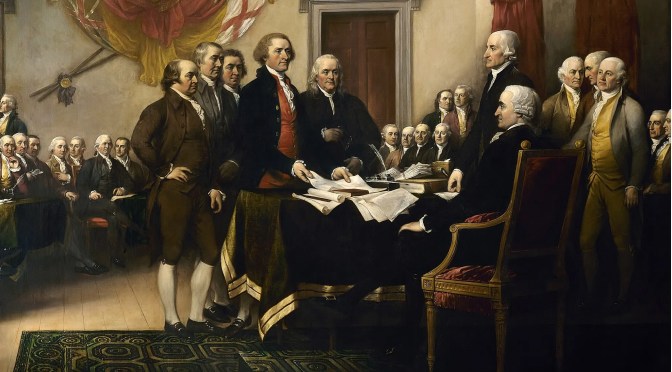
The American Declaration of Independence, adopted on July 4, 1776, stands as a seminal document in the history of the United States. The Declaration, drafted by Thomas Jefferson, outlined the principles upon which the new nation was founded, including the rights to life, liberty, and the pursuit of happiness. The Declaration served as a catalyst for the American Revolution, inspiring the colonists to continue their fight for independence.

Following the end of the Revolutionary War, the United States faced the daunting task of establishing a new government and defining its relationship with its citizens. The process of drafting a constitution began in 1787, with the aim of creating a framework for a federal system of government that would balance the power between the states and the central government. The resulting document, the United States Constitution, was ratified in 1788 and remains the supreme law of the land.

The Significance of American History

The founding of the United States of America and the events that led to its establishment have had a profound impact on the nation’s identity and values. Understanding the nation’s history is essential for comprehending its unique character and the role it plays in the global community.

Firstly, the founding of the United States represents a triumph of human resilience and determination. The American Revolution was a long and arduous struggle that required immense courage, sacrifice, and perseverance. The founding of the United States serves as a testament to the indomitable spirit of the American people and their commitment to the principles of liberty, democracy, and equality.

Secondly, the founding of the United States has had a profound impact on the development of democratic institutions and the rule of law. The United States Constitution, with its system of checks and balances, has served as a model for other nations seeking to establish democratic systems of government. The principles enshrined in the Constitution, such as the separation of powers and the protection of individual rights, have become hallmarks of democratic governance.

Finally, the founding of the United States has shaped the nation’s identity and values, fostering a sense of national pride and unity. The American Revolution and the subsequent establishment of the United States as an independent nation have become defining moments in the nation’s history, instilling a sense of patriotism and national identity among its citizens.

Nationalism and Patriotism in the United States

Nationalism and patriotism are essential components of the American identity, serving to unite the nation and preserve its unique character. Nationalism, as a political ideology, emphasizes the importance of the nation as a political and cultural entity, advocating for the preservation of its values, traditions, and identity. Patriotism, on the other hand, refers to a love and devotion to one’s country, often expressed through acts of loyalty and support.

In the United States, nationalism and patriotism have played a crucial role in shaping the nation’s identity and preserving its values. The founding of the United States, with its emphasis on liberty, democracy, and equality, has fostered a sense of national pride and unity among its citizens. This sense of national identity has been further reinforced by key historical events, such as the American Revolution, the Civil War, and the World Wars, which have served to unite the nation in times of crisis.

Nationalism and patriotism have also played a crucial role in preserving the American civilization. The nation’s commitment to the principles of liberty, democracy, and equality has been a driving force behind its continued success and prosperity. The United States’ strong national identity and sense of unity have enabled it to overcome numerous challenges and maintain its position as a global leader.

The Importance of Independence Day

Independence Day, celebrated on July 4th, is a national holiday in the United States that commemorates the adoption of the Declaration of Independence in 1776. The holiday serves as a reminder of the nation’s founding principles and the sacrifices made by the American people in pursuit of independence.

Independence Day is a time for reflection and celebration, as Americans come together to honor their nation’s history and the values upon which it was founded. The holiday is marked by a variety of festivities, including parades, fireworks displays, and patriotic ceremonies, which serve to reinforce the nation’s sense of unity and pride.

Conclusion

The founding of the United States of America is a testament to the resilience, determination, and ingenuity of the American people. The nation’s history, shaped by key events such as the American Revolution and the establishment of a democratic system of government, has had a profound impact on its identity and values. Understanding the nation’s history and the role of nationalism and patriotism in preserving the American civilization is essential for comprehending its unique character and the role it plays in the global community.

As we celebrate Independence Day, let us remember the sacrifices made by our forefathers in pursuit of liberty, democracy, and equality. Let us honor their legacy by continuing to uphold the principles upon which our nation was founded and by working together to ensure a bright and prosperous future for the United States of America.

Memorial Day 2024

GEN. ANDERSON’S FUNERAL
U.S. Marine Corps photo by Lance Cpl. Paul A. Ochoa

Memorial Day, a day that many Americans associate with the beginning of summer, barbecues, and beaches, is indeed much more than that. It is a day set aside to honor the memory of those brave men and women who made the ultimate sacrifice in service to their country. As a nation, we must take this day to reflect on the sacrifices made by these heroes, and to commit ourselves to living lives worthy of their sacrifice.

The history of Memorial Day dates back to the aftermath of the Civil War, the bloodiest conflict in American history. It was during this time that individuals and communities began to honor the fallen soldiers by placing flowers on their graves. In 1868, General John A. Logan, the commander-in-chief of the Grand Army of the Republic, declared May 30th as Decoration Day, a day for the nation to decorate the graves of the war dead with flowers. This day was chosen because it was not the anniversary of any particular battle.

Over time, the day became known as Memorial Day, and in 1971, it was declared a national holiday to be observed on the last Monday in May. This change was made to create a three-day weekend for federal employees, but it also shifted the focus of the day from a somber remembrance to a time for leisure activities.

While it is understandable that many Americans wish to enjoy the warmer weather and the long weekend, it is essential that we not lose sight of the true meaning of Memorial Day. This day is not about the start of summer or an excuse for a day off from work; it is a time to honor the memory of those who gave their lives so that we could live in freedom and peace.

The sacrifices made by our fallen heroes are immeasurable. They left behind families, friends, and loved ones, all of whom mourn their loss. They gave up their dreams, their aspirations, and their futures so that we could have ours. They laid down their lives in the line of duty, defending the values and principles upon which our nation was founded.

As we go about our daily lives, it is easy to take for granted the freedoms and opportunities that we enjoy. We often forget that these liberties were not simply handed to us; they were earned through the blood, sweat, and tears of those who came before us. It is our responsibility as Americans to honor their sacrifice by living lives that are worthy of their gift.

This means that we must strive to be the best versions of ourselves. We must work to build a better future for our families, our communities, and our nation. We must endeavor to be kind, compassionate, and understanding, treating others with the respect and dignity that they deserve. We must be willing to stand up for what is right, even when it is difficult or unpopular. We must be willing to make sacrifices for the greater good, just as our fallen heroes did.

In addition to living lives worthy of their sacrifice, we must also take the time to remember and honor our fallen heroes. This can be done in a variety of ways, such as visiting a local cemetery to place flowers on the graves of the fallen, attending a Memorial Day ceremony or parade, or simply taking a moment of silence to reflect on the sacrifices made by these brave men and women.

Another way to honor our fallen heroes is by supporting the families they left behind. Many organizations, such as the Gold Star Families Foundation and the Tragedy Assistance Program for Survivors (TAPS), provide support and resources for the families of the fallen. By volunteering our time or making a donation to these organizations, we can help to ensure that the families of our fallen heroes receive the support and care they need.

Furthermore, we can honor the memory of our fallen heroes by educating ourselves and our children about their sacrifices. By learning about the history of Memorial Day and the conflicts in which our heroes fought, we can gain a deeper understanding of the sacrifices they made and the values they defended. This knowledge can help us to appreciate the freedoms we enjoy and to recognize the importance of living lives worthy of their sacrifice.

In conclusion, Memorial Day is more than just a day for beaches and barbecues. It is a day to honor the memory of the brave men and women who made the ultimate sacrifice in service to their country. As Americans, it is our responsibility to remember their sacrifices and to commit ourselves to living lives worthy of their gift. By doing so, we can ensure that their memory lives on and that their sacrifices were not made in vain.

As General George S. Patton once said, “It is foolish and wrong to mourn the men who died. Rather, we should thank God that such men lived.” Let us take this sentiment to heart and use Memorial Day as an opportunity to honor the memory of our fallen heroes by living lives that are worthy of their sacrifice.

Freedom and Liberty: The American Ideal

In the fabric of American society, the concepts of freedom and liberty are woven with threads of history, struggle, and aspiration. These terms are often used interchangeably, yet they carry distinct meanings and implications that are crucial to our understanding of individual rights and societal responsibilities. Drawing insights from the illuminating discourse shared in “Freedom and Liberty,” we embark on a journey to compare and contrast these foundational principles and explore their true meaning in our lives as American citizens. We will also delve into the implications of individual actions that may seem harmless but can ultimately lead to self-destruction.

Understanding Freedom and Liberty

1. The Essence of Freedom

Freedom is fundamentally about the absence of constraints and the ability to act according to one’s own will. It is the power to choose and to take actions without external interference.

  1. Personal Autonomy: Freedom encompasses personal autonomy—the ability to make choices about one’s own life, beliefs, and actions.
  2. Absence of Oppression: At its core, freedom implies the absence of oppression, coercion, and arbitrary restrictions imposed by others, particularly by the state or governing bodies.
  3. Scope and Limitations: However, freedom is not absolute. It exists within the context of laws, social norms, and ethical considerations that balance individual liberties with the collective good.

2. The Concept of Liberty

Liberty, while closely related to freedom, is often defined more narrowly as the state of being free within society from oppressive restrictions imposed by authority on one’s way of life, behavior, or political views.

  1. Civil Liberties: Liberty includes civil liberties—rights and freedoms guaranteed by the constitution, such as freedom of speech, assembly, and religion.
  2. Political Freedom: It also encompasses political freedom—the right to participate in the democratic process, to vote, and to run for public office.
  3. Structured Freedom: Liberty suggests a structured freedom—where individuals are free to pursue their goals and express their beliefs within the framework of a just and fair legal system.

Comparing Freedom and Liberty

1. Freedom as a Broad Concept

  1. Universal Application: Freedom applies universally to the capacity of individuals to act without external constraints across various contexts—personal, social, and economic.
  2. Philosophical Underpinnings: Philosophically, freedom delves into existential realms, questioning the nature of human autonomy and the essence of being free.
  3. Potential for Anarchy: Unfettered freedom without boundaries can lead to chaos and anarchy, where the absence of rules undermines social order and collective well-being.

2. Liberty as Structured Freedom

  1. Legal and Political Framework: Liberty is embedded within legal and political frameworks that protect individual rights while ensuring societal order and justice.
  2. Historical Context: Historically, the concept of liberty emerged from struggles against tyranny and authoritarianism, emphasizing the protection of rights within a democratic society.
  3. Balancing Act: Liberty involves a balancing act—protecting individual freedoms while maintaining social cohesion and the rule of law.

Implications of Freedom and Liberty in Our Lives

1. Personal Responsibility and Social Impact

  1. Individual Actions: The exercise of freedom and liberty comes with personal responsibility. Our actions, though seemingly harmless, can have far-reaching social implications.
  2. Social Harmony: Balancing personal freedom with respect for others’ rights is essential for maintaining social harmony and preventing conflicts.
  3. Ethical Considerations: Ethical considerations guide the responsible exercise of freedom and liberty, ensuring that individual actions contribute positively to society.

2. Harmless Actions Leading to Self-Destruction

  1. Addiction and Substance Abuse: Freedom to make personal choices can lead to harmful behaviors such as addiction and substance abuse, resulting in physical and emotional self-destruction.
  2. Neglecting Responsibilities: Exercising freedom without regard for responsibilities—such as neglecting family, work, or community duties—can lead to personal and social breakdown.
  3. Excessive Libertarianism: An excessive libertarian approach, where individuals prioritize personal freedom above all else, can erode social structures and collective well-being.

Balancing Freedom and Liberty: A Path to Responsible Citizenship

1. Informed Decision-Making

  1. Education and Awareness: Empowering individuals with education and awareness about the implications of their choices is crucial for informed decision-making.
  2. Critical Thinking: Encouraging critical thinking and ethical reasoning helps individuals navigate the complexities of freedom and liberty responsibly.

2. Legal and Social Frameworks

  1. Protective Laws: Implementing laws that protect individual rights while promoting social justice ensures a balanced approach to freedom and liberty.
  2. Community Engagement: Fostering community engagement and participatory governance strengthens democratic institutions and collective decision-making.

3. Personal Growth and Accountability

  1. Self-Reflection: Encouraging self-reflection and personal growth helps individuals understand the impact of their actions and fosters a sense of accountability.
  2. Mentorship and Guidance: Providing mentorship and guidance, particularly for young people, helps instill values of responsible citizenship and ethical behavior.

Conclusion: Embracing Freedom and Liberty with Responsibility

In the landscape of American democracy, freedom and liberty stand as twin pillars supporting the edifice of individual rights and societal responsibilities. While freedom offers the broad canvas of personal autonomy, liberty provides the structured framework within which that freedom can be exercised justly and responsibly.

As American citizens, it is incumbent upon us to navigate the delicate balance between these two principles, understanding that our individual actions, though seemingly harmless, carry profound implications for ourselves and society. By fostering a culture of informed decision-making, ethical reasoning, and personal accountability, we can ensure that our exercise of freedom and liberty contributes to the common good, enhancing both our personal lives and the collective well-being of our nation.

In the words of John F. Kennedy, “Ask not what your country can do for you—ask what you can do for your country.” May we embrace our freedom and liberty with a sense of responsibility and purpose, striving to build a society where individual rights are upheld, and collective prosperity is achieved. Let us be vigilant stewards of our precious liberties, ensuring that they remain a source of strength, unity, and progress for generations to come.

“Freedom and Liberty” – Episode 52

Honoring America on Independence Day

Today, we commemorate the birth of our great nation, the United States of America. Independence Day is a powerful reminder of the immense sacrifices made by our forefathers to secure our freedom and establish a land of liberty, opportunity, and equality.

As Americans, it’s essential to remember that Independence Day goes beyond the festivities of barbecues and fireworks. It’s a moment to reflect on the principles that make America exceptional: freedom, democracy, and the pursuit of happiness. These values continue to inspire generations and shape our professional journeys.

The struggles and triumphs of the American Revolution paved the way for a democratic government that empowers its citizens. Our independence symbolizes the courage to challenge oppression, ensuring that we have a voice in shaping our nation’s destiny.

The Constitution, our guiding document, remains a testament to the vision of our founding fathers. It establishes the rule of law, protecting our rights and liberties. On Independence Day, let’s recommit ourselves to upholding the Constitution and the enduring ideals it represents.

Moreover, America’s independence serves as a beacon of hope for people around the world. Throughout history, we have stood as a shining example of freedom, inspiring movements for liberty worldwide. As professionals, we have a responsibility to promote democracy and defend human rights, both within our borders and beyond.

Independence Day also reminds us of the power of unity. It brings Americans together, transcending our diverse backgrounds. Let’s set aside our differences and come together as a nation, reaffirming our commitment to the principles that bind us. Our unity strengthens our democracy and makes us stronger in the global arena.

As we celebrate America’s independence, let’s pay tribute to the men and women who have served and continue to serve in our armed forces. Their dedication and sacrifice protect our freedom and ensure our safety. On this day, we honor their bravery and express our profound gratitude for their service.

Furthermore, Independence Day highlights the importance of active citizenship. Voting is a fundamental right and a cornerstone of our democracy. Let’s exercise our right to vote, engage in peaceful discourse, and actively participate in shaping our country’s future. Our voices matter, and our involvement is vital for a thriving democracy.

Let’s also embrace our diverse heritage and celebrate the cultural tapestry that makes our nation unique. Our differences enrich us, fostering innovation, creativity, and resilience. Together, we can overcome any challenge and build a brighter future.

On this Independence Day, let’s reflect on the past, celebrate the present, and envision a future where the flame of liberty continues to burn bright. By honoring our history, preserving our democratic values, and striving for progress, we contribute to the ongoing success of our great nation.

Wishing you all a Happy Independence Day!