
Introduction
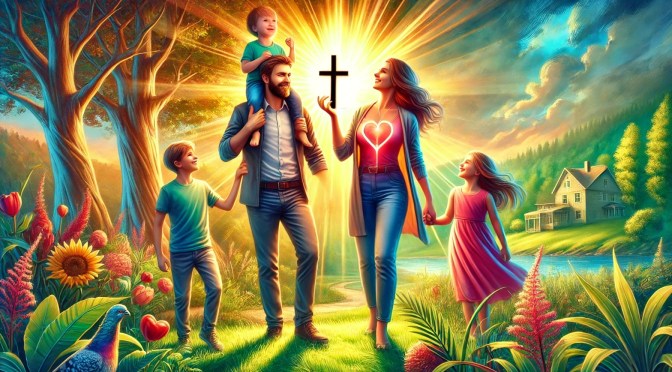
In life, achieving balance is key. Whether in our personal relationships, professional endeavors, or spiritual journeys, we strive to find harmony. This pursuit of balance can often feel elusive, but what if there was a simple, timeless blueprint to guide us? Enter the concept of “The Head, The Heart, and The Hope” – a transformative framework rooted in the roles we play within our families and communities.
As shared in the profound discussion of Episode 78 of “The Three Pillars Podcast,” this concept invites us to reflect on the significance of leadership, nurture, and legacy. Together, they shape a path to personal fulfillment and societal change. Let’s explore how embracing “The Head, The Heart, and The Hope” can transform not just our lives but the world around us.
Understanding the Three Pillars of Strength
Every successful journey begins with a strong foundation. In this case, the foundation lies in the three pillars of spiritual, mental, and physical fitness. These pillars serve as the bedrock of “The Head, The Heart, and The Hope.” When aligned, they enable us to navigate life’s challenges with grace and resilience.
A holistic approach to life means understanding that each role—whether as the head, the heart, or the hope—carries unique responsibilities and opportunities. When these roles harmonize, they create a synergy that benefits individuals, families, and communities.
The Head – The Leadership and Vision
The head symbolizes leadership, logic, and vision. In the family unit, this role often falls to the father, but it applies to anyone tasked with providing direction and protection. As the leader, the head must:
- Make Decisions with Clarity: Leadership demands confidence and wisdom. It means assessing situations logically and making choices that benefit the collective.
- Protect and Provide: A leader ensures the safety and well-being of their loved ones, both physically and emotionally.
- Inspire Through Faith: True leadership is rooted in spirituality, recognizing that guidance flows from a higher power.
However, the role of the head is not without challenges. Leadership requires balancing authority with compassion. It calls for humility and the willingness to adapt. As the head, the ultimate goal is to guide loved ones toward a life of purpose and fulfillment.
The Heart – The Nurturer and Emotional Anchor
If the head represents logic, the heart embodies emotion. It is the nurturer, the source of comfort, and the emotional glue that holds a family together. The heart, often symbolized by the mother, brings warmth, empathy, and love into the home.
The role of the heart includes:
- Creating a Safe Emotional Space: A family thrives when members feel supported and cherished.
- Teaching Values Through Love: By showing compassion and understanding, the heart instills a sense of moral and emotional responsibility.
- Balancing the Rational with the Emotional: While the head focuses on logic, the heart ensures that decisions are infused with kindness and empathy.
The heart supports the head, offering solace and encouragement during times of stress. This dynamic partnership ensures that the family remains cohesive, even in adversity.
The Hope – The Promise of Tomorrow
Hope is the beacon that lights the path forward. In the family context, hope is embodied by the children – the next generation poised to carry forward the values and teachings of their parents.
The hope symbolizes:
- The Future of the Family: Children are a living testament to the legacy of the head and the heart.
- A Chance to Shape the World: By nurturing children with faith, values, and resilience, we contribute to a brighter, more compassionate society.
- The Catalyst for Generational Change: The lessons taught today will ripple through generations, shaping communities and the world.
Children are a reminder that life continues and that possibilities are endless. By investing in their growth and character, parents ensure that their legacy endures.
Building a Strong Family Unit
The family is the cornerstone of society. It is within this sacred unit that individuals learn love, discipline, faith, and resilience. History shows us that civilizations with strong family structures thrive, while those that neglect the family unit falter.
However, modern challenges threaten the family structure. Distractions like technology, societal pressures, and shifting values can erode the bonds that hold families together. Overcoming these challenges requires intentional effort, clear communication, and a commitment to prioritizing family above all else.
Living Out the Blueprint
To embody “The Head, The Heart, and The Hope,” we must commit to daily practices that reinforce these roles.
- For the Head: Lead with integrity, discipline, and unwavering faith. Prioritize personal growth to better guide and protect loved ones.
- For the Heart: Show empathy, create warmth, and nurture relationships. Your compassion is the soul of the family.
- For the Hope: As children, embrace the values taught and carry them forward. As parents, invest time and love in raising children with strong moral foundations.
Faith acts as the anchor for all roles, ensuring that every action is aligned with a higher purpose.
Overcoming Adversity Together
Life is not without its trials, but adversity can strengthen the bonds within a family. By leaning on one another and trusting in a higher power, families can overcome any obstacle. Resilience is built through shared experiences, faith, and a commitment to supporting one another.
Examples of triumphant families serve as a testament to the power of unity. Whether facing financial hardships, health crises, or external threats, families that embody “The Head, The Heart, and The Hope” emerge stronger and more connected.
The Global Impact of a Family-Centered Approach
The transformation of society begins at home. When families adopt this blueprint, the effects extend beyond their walls. Communities become stronger, compassion grows, and societal progress accelerates.
Imagine a world where every family operates with love, respect, and purpose. The ripple effects would be profound, fostering a global culture of understanding and cooperation.
Personal Reflections on The Concept
When I first encountered “The Head, The Heart, and The Hope,” it resonated deeply. Reflecting on my own life, I saw areas where I could better embody these roles and inspire others to do the same.
The beauty of this concept lies in its simplicity. It reminds us of the roles we play and how, when united, they create something far greater than the sum of their parts.
Final Thoughts and A Call to Action
“The Head, The Heart, and The Hope” is more than just a concept; it’s a call to action. It challenges us to step into our roles with courage and faith, to nurture the bonds that sustain us, and to invest in the future through our children.
Start small:
- Reflect on your role within your family or community.
- Identify ways to strengthen your contributions.
- Commit to living with purpose, guided by love and faith.
Together, we can build a world where families thrive, communities flourish, and hope abounds.
FAQs
- What is “The Head, The Heart, and The Hope” concept about?
It’s a metaphor for the roles within a family: leadership (head), nurturing (heart), and legacy (hope). - How can I balance these roles in my own family?
Through faith, open communication, and intentional actions that honor your unique contributions. - What are practical ways to nurture faith within my family?
Pray together, engage in meaningful conversations, and model faith-based values. - How can I teach resilience to my children?
Lead by example, share personal stories of overcoming challenges, and encourage them to trust in their abilities and faith. - What if my family dynamics don’t fit the traditional roles discussed?
The concept is adaptable. Focus on embodying leadership, nurturing, and hope in ways that align with your family’s unique structure.
 3 Pillars Podcast