Tag Archives: Health

Sweat, Serenity & Strength: Discovering the Mind–Body Benefits of the Dry Sauna

1. Introduction: Stepping into Warmth and Clarity

From Episode 116—“Benefits of the Sauna”—I shared how stepping into the dry sauna wasn’t merely a relaxation ritual—it became a meditative entry point to sustain better physical, emotional, and spiritual well-being.

Sweating, heat, stillness. Those elements, combined, introduced me to a profound mind–body harmony. Today, I want to walk you through how the dry sauna enhances circulation, supports detoxification processes, relieves stress, and deepens inner peace. My hope is that through this reflection, you’ll be inspired to integrate sauna into your wellness journey—safely, intentionally, and wholeheartedly.


2. Dry Sauna: A Tradition Rooted in Wellness

The dry sauna—a staple inherited from Finnish wellness traditions—uses high heat with low humidity, promoting intense sweating without steam.

In Finland, saunas are woven into daily life—not just for cleanliness, but for shared renewal, mental clarity, and rest. Across cultures, from Korean jjimjilbangs to Turkish hammams, the therapeutic embrace of heat has long been honored as a holistic practice.


3. Detoxification: Sweating Out the Unseen

At the heart of sauna benefits lies sweat—a physiological response to heat that raises curiosity about detoxification.

  • Research shows that induced sweating can excrete heavy metals and environmental toxins—including arsenic, cadmium, lead, mercury, BPA, phthalates, and flame retardants—from the body, sometimes at higher levels than blood or urine.
  • However, other credible sources caution that the liver and kidneys remain central to detoxification, and the contribution of sweating—though real—should be contextualized and not overstated.

My takeaway? Sweating may support the body’s natural elimination processes, especially when combined with hydration, healthy nutrition, and a supportive wellness rhythm. It’s not a standalone solution but a layered ally in my holistic health toolkit.


4. Elevating Mind–Body Connection Through Heat

The sauna’s heat does more than warm the body—it activates deep relaxation and cognitive calm.

  • Through vasodilation, blood vessels expand and circulation improves, supporting cardiovascular function and easing blood pressure—all akin to low-intensity exercise.
  • Cultures embracing heat therapy (e.g., Finnish and TCM practices) affirm sauna enhances mental well-being through sensory immersion—quiet, warmth, and presence.
  • Research supports these claims: regular sauna use mirrors some cardiovascular benefits of moderate workouts, supports brain health, eases muscle tension, and anchors stress relief.

In my own rhythm, 15–20 minutes in the dry sauna post-workout became a habit—my muscles loosened, anxiety faded, and clarity emerged. It’s as though I practiced spiritual exhale: letting go of stress and recalibrating toward peace.


5. Immune Support, Skin Renewal & Weight Aid

Additional benefits reinforce why saunas are more than self-care—they support wellness:

  • Cardiovascular and immune resilience: Studies link regular sauna use (4–7x per week) to improved arterial function, reduced hypertension, lower risk of cardiac events, and even dementia protection.
  • Skin clarity and tone: Sweating opens pores, boosts circulation, and may stimulate collagen through improved skin microcirculation.
  • Muscle recovery: Post-exercise sauna sessions reduce soreness and support flexibility through increased blood flow and muscle relaxation.
  • Metabolic support: Although not a weight-loss miracle, heat can contribute to metabolism via thermoregulatory processes and relaxation [some studies show modest support].

6. Designing a Mindful Sauna Practice

If you’d like to try a dry sauna with purpose, here’s how I approach it personally:

StepAction
1. Hydrate FirstDrink water before, and rehydrate afterward. Sweating is powerful—but comes with fluid loss.
2. Begin ConservativelyStart with 5–10 minutes if new; gradually build to 15–20 minutes per session.
3. Post-RoutineFollow heat with cooling—cold shower or fresh air. It helps restore homeostasis.
4. Reflect in StillnessI breathe deeply—letting clarity, peace, or creativity surface.
5. Repeat RegularlyI aim for 3–4 sessions weekly for the cumulative benefits. Consistency matters.
6. Know Your LimitsAvoid during pregnancy or with certain heart conditions unless cleared by a physician.

7. My Journey with Sauna: Clarity, Calm, Renewal

Reflecting on Episode 116, I see how incorporating sauna into my life became more than a habit—it became sacred space. It invited me to:

  • Recover physically after long writing sessions or workouts,
  • Reframe mentally when stress threatened to cloud my day,
  • Reconnect spiritually with quiet, undisturbed space to reflect.

It’s less about the heat and more about what happens inwardly when the world slows. The heat helps me burn away tension, yes—but it’s the stillness that restores connection inside.


8. Science and Serenity When Balanced

Medical investigations caution us: sauna isn’t for everyone. There are risks of dehydration, overheating, or cardiovascular stress if used improperly.

That’s why integration matters—sauna works best as part of educated, balanced self-care: hydrated, health-aware, rested.


9. An Invitation to Embrace Warmth and Renewal

If you’ve ever wondered whether a sauna is worthwhile—start small. Lean into the warmth. Let yourself linger in stillness and breathe in clarity.

It’s not about escaping, but about returning—with a body reset, a clearer mind, and a spirit more aligned with peace.


10. Conclusion: Sauna as Sanctuary

To sum up:

  • Sweat supports physical excretion of certain toxins and complements traditional detox pathways like liver and kidneys.
  • Heat fosters circulation, muscle relief, immune boost, skin rejuvenation, and stress reduction .
  • The mind–body connection deepens—quiet, warmth, and self-care become contemplative practice.
  • Safe, intentional sauna use enhances deposits of wellness, not risk—hydration and moderation are key.

So lean into warmth. Let your body release what no longer serves. Let your mind clear. Let your heart center. The dry sauna is more than heat. It’s sanctuary. It’s invitation.
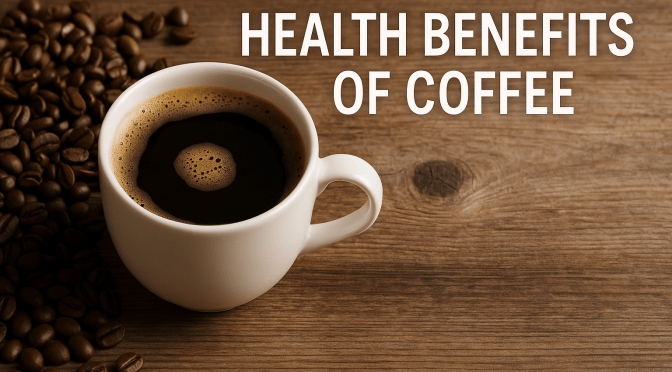

Why I Embraced Coffee: A Personal Journey to Health, Focus & Joy

Introduction: More Than a Morning Ritual

When I recorded Episode 111—“Benefits of Coffee”—I realized coffee wasn’t just a beverage for me. It had become a daily ally—energizing early mornings, sharpening focus during writing sessions, and offering ritualistic solace. But more than comfort, I discovered it came with tangible benefits. As I explored scientific research, I learned how coffee could support health, longevity, mood, metabolic wellness—and all without sugary overload.

In this post, I’ll share how incorporating coffee into my routine—with simplicity and moderation—supported my well‑being, sharpened my mind, and deepened my daily rhythms. And I’ll explain why going light on additives is critical so you don’t lose coffee’s intrinsic benefits.


1. The Physical Benefits: Health Backed by Science

🎯 Longevity and Cardiovascular Health

Multiple large studies reveal that moderate coffee drinkers (about two to four cups daily) have significantly lower risk of premature death from heart disease and other causes—often in the range of 16–19% reduced mortality compared to non-drinkers Wikipedia+3rush.edu+3U.S. News+3. One UK Biobank analysis affirms that consuming coffee before noon is linked to lower overall and cardiovascular mortality—suggesting timing matters too NHLBI, NIH.

👩‍⚕️ Lower Risk of Type 2 Diabetes & Metabolic Support

Meta-analyses show each daily cup of coffee (caffeinated or decaf) is associated with a 6–9% reduced risk of developing type 2 diabetes NHLBI, NIH+15Healthline+15Wikipedia+15. Coffee’s polyphenols and other compounds improve insulin sensitivity and reduce inflammation—making it a metabolic ally Daily Telegraph+1New York Post+1.

🧠 Brain Health: Parkinson’s, Dementia, and Mood

Long-term coffee consumption correlates with lower rates of Parkinson’s disease and some neuroprotective effects. Preliminary data suggest reduced risk of depression and possible cognitive benefits later in life Wikipedia+1The Times+1.

🍃 Liver and Cancer Benefits

Research links moderate coffee intake with reduced odds of liver disease, gallstones, and certain forms of cancer such as liver and colorectal cancers Mayo Clinic Press.


2. Energy, Focus & Performance: My Personal Experience

From my own life: one to two cups in the morning often giving clarity, alertness, and sustained energy. The caffeine in coffee blocks adenosine, enhancing concentration and physical performance—especially during creative or writing sessions Reddit. It’s also used by athletes for improved performance, endurance, and reduced perceived effort Rock Creek Coffee Roasters+1The Times+1.

My writing flow and post-recording recovery improved noticeably once I began exercising with coffee beforehand—it lifted fatigue and sharpened focus. And genuinely: weight management became easier. Coffee’s metabolism-boosting effects and mild appetite suppression supported my efforts Rock Creek Coffee RoastersHopkins Medicine.


3. Why Moderation Matters—And Why Less Is More

🚫 Stick Within Safe Limits

Experts recommend no more than 400 mg of caffeine per day, roughly two to four cups of brewed coffee—sometimes up to five—depending on individual sensitivity Wikipedia+1Real Simple+1. Excess can lead to anxiety, sleep disruption, elevated heart rate, and gastrointestinal discomfort Real Simple.

🕝 Timing Is Key

Drinking coffee before noon seems to maximize its longevity and cardiovascular benefits while reducing negative impact on sleep or cortisol levels during evenings NHLBI, NIHThe Times.

🧁 Avoid Sugar & Excess Add‑Ins

Research shows that adding sugar, syrups, or high‑fat creams significantly weakens coffee’s health advantages. Black coffee—or coffee with minimal sugar (< ½ tsp) and low‑fat creamer—is associated with a ~14% lower risk of death compared to heavily sweetened drinks or no coffee Tufts Now+1The Times of India+1. Calories and sugar can negate coffee’s antioxidant and anti-inflammatory benefits.

😌 Sensitivity and Mindful Listening

Some individuals—like those with anxiety disorders, heart sensitivities, or sleep issues—may need less caffeine or even decaf. Coffee can spike blood sugar temporarily, especially when consumed on an empty stomach or with added sugar—but long-term associations still favor reduced diabetes risk when enjoyed mindfully Verywell HealthPMC.


4. How I Built Coffee into My Routine—With Purpose

🌅 Morning Ritual, Not Rush Hour Fuel

I intentionally sip coffee first thing in the morning, paired with a protein-rich breakfast or nuts—optimizing energy without cortisol crash or sugar spikes. I avoid drinking coffee past early afternoon to safeguard sleep quality NHLBI, NIHThe Times.

🚫 Keep It Simple

Most days, it’s just black coffee or black with light milk—and a dash of cinnamon when I’m craving flavor. Cinnamon introduces antioxidants and helps stabilize blood sugar without excessive sweetness New York Post.

🔁 Cup Limit

I aim for two to three cups daily—enough for benefits without bingeing. I noticed that beyond three cups, the health advantage plateaus—and risks like restlessness rise Verywell Health+9U.S. News+9New York Post+9.

🏃‍♂️ Pre-Workout Fuel

About 30–60 minutes before physical activity, I drink a cup. It helps me train harder, recover faster, and avoid post-exercise fatigue—especially helpful before writing marathons or long coaching days Rock Creek Coffee Roasters.


5. The Positive Impacts: Real Benefits Fused Into Daily Life

📈 More Clarity, Less Fog

Coffee’s mild stimulation often jumpstarts creativity and decision-making. On days I skip it, I’m missing not just caffeine—but a mental edge and ritual that primes my mind.

❤️ Emotional Balance

I’ve felt clearer during stress—not anxious, but alert and grounded. In my experience, the antioxidants and mood-lifting compounds contribute to emotional resilience HealthlineMayo Clinic Press.

🧘 Weight & Wellness Synergy

With smarter nutrition and consistent workouts, coffee became a tool—not a crutch—to support metabolism and focus. It didn’t replace meals but supplemented disciplined habits.

🔄 Rhythm and Intentionality

Coffee helped shape routines—morning reflection, planning, sessions of podcast recording, focused writing, or times of guided rest. It became a symbol, not a necessity: a simple anchor for purpose.


6. Caveats to Consider—and Practicing Awareness

⚠️ Anxiety & Sleep

If you suffer from anxiety, insomnia, or hypertension, consider reducing intake or switching to decaffeinated beans. Over 300 mg can worsen symptoms in sensitive individuals Wikipedia.

🍬 Not a License for Sugar Overload

Even if you love flavored lattes, treat them as occasional treats—not daily staples. The health benefits fade with sugar and high-fat additives The Times of India.

🚫 Avoid Too Late

A cup after 2 or 3 pm may interfere with sleep quality—undermining the long-term benefits of coffee. Timing matters as much as quantity NHLBI, NIHThe Times.


7. A Positive Conclusion: Designing Your Own Coffee-Driven Wellness

Here’s what I believe: Coffee, when embraced with mindfulness, becomes more than a beverage—it becomes a healthy ritual. It fuels discipline, clarity, and intentional living.

  • It supports longevity, reducing risks of diabetes, heart disease, neurodegenerative conditions, and certain cancers rush.eduMayo Clinic PressDaily Telegraph.
  • It enhances mood and cognition, offering creativity, mental sharpness, and sustained focus WikipediaHopkins Medicine.
  • It becomes part of a balanced lifestyle, not a shortcut—especially when kept simple and free from excess sugar or creamers.

My encouragement? Try two to three mindful cups a day. Make it black or lightly sweetened. Have it before noon. Pair it with food. Be attuned to your body’s response. And don’t use coffee as a mask for fatigue—it’s best paired with healthy sleep, movement, and nutrition.


Final Thoughts & Call to Action

Coffee—done well—is a friend. It’s the warm invitation at dawn, the mental boost in midday, the ritual that connects your body and mind to intention.

If you joined me for Episode 111, you heard my testimony. But science supports what I’ve experienced: coffee, in moderation and simplicity, can promote health, vitality, focus, and longevity.

So consider this a personal invitation: become a conscious coffee drinker. Drink with purpose and presence. Enjoy the richness—not just in flavor, but in life. Let it help you show up more focused, more joyful, more energized—without extra sugar or unnecessary extras diluting your well-being.

Here’s a thought question to ponder: What simple ritual could coffee anchor in your day—that promotes focus, wellness, and joy? I’d love to read your experiences, ideas, or recipes. Let’s brew with intention—together.

Vitamin C: Your Secret Weapon for Immunity and Energy

Introduction

I never imagined that something as simple as Vitamin C could make such a significant impact on my life. Like many, I used to think of it only as the vitamin you take when you’re feeling under the weather or battling a cold. But the more I studied, experimented, and tuned into what my body and spirit were telling me, the more I discovered the depth of its power.

This isn’t just a science post. This is personal. Vitamin C has helped me feel better, recover faster, think clearer, and look younger. It’s become a part of my daily rhythm—not just physically, but spiritually. In this blog post, I want to share what I’ve learned about Vitamin C and how it has the power to strengthen your body, sharpen your mind, and keep you rooted in health and purpose.

Immune System Support

One of the most well-known benefits of Vitamin C is its ability to support the immune system. This isn’t a gimmick. It’s foundational biology. Vitamin C fuels the production and function of white blood cells, your body’s natural defense army. I think of it like spiritual armor for your immune system—it prepares you for battle before you even know the enemy is near.

When I started regularly incorporating Vitamin C into my diet, I noticed something simple but powerful: I didn’t get sick as often. And when I did, my body bounced back faster. Whether from fresh oranges, leafy greens, or a quality supplement, the consistent intake of Vitamin C gave me the resilience I didn’t even know I was missing.

Antioxidant Protection

We live in a toxic world. From environmental pollutants to processed foods and daily stressors, our bodies are constantly under attack from free radicals—unstable molecules that damage our cells and accelerate aging.

Vitamin C acts like a shield. It’s a potent antioxidant that neutralizes those free radicals before they can do harm. When I made this part of my lifestyle, I noticed my energy levels stayed more consistent. I felt less weighed down. It’s as if I had cleared some of the static out of my system.

And the best part? It’s natural. God designed these nutrients for our good. The more I lean into nature’s gifts, the more connected I feel—not only to my health, but to the One who created me.

Collagen Production and Skin Health

Here’s where it gets interesting: Vitamin C plays a huge role in collagen synthesis. Collagen is the protein that gives structure to our skin, bones, tendons, and blood vessels. It’s the glue that holds us together.

As I aged, I noticed subtle changes in my skin, joints, and recovery time. By prioritizing Vitamin C, I saw improvements in all those areas. My skin looked more youthful, my joints felt more stable, and I healed faster after workouts or minor injuries. It’s like my body had more resources to rebuild.

This isn’t about vanity—it’s about vitality. When you feel better in your skin, you carry yourself differently. You speak with more confidence. You live more fully.

Enhanced Iron Absorption

Iron deficiency is more common than we think, especially for women and athletes. What I didn’t know until recently was how important Vitamin C is in helping the body absorb iron—especially from plant-based sources.

This became a game-changer for me. When I paired Vitamin C with iron-rich meals, I noticed better energy levels. Less fatigue. More clarity. It was as if my body was finally getting the oxygen and fuel it needed to run efficiently.

We were created to thrive—not just survive. And small changes like this can have huge ripple effects on our daily energy and focus.

Eye Health and Aging Prevention

One of the overlooked benefits of Vitamin C is its role in eye health. Studies have linked higher Vitamin C intake with a reduced risk of cataracts and age-related macular degeneration. In other words, Vitamin C can help you see clearly—not just metaphorically, but literally.

It’s another example of how deeply integrated our nutrition is with our quality of life. Every cell in your body depends on nutrients. Vitamin C ensures those cells stay strong, protected, and functioning well into your later years.

A Holistic Approach to Health

What I love most about Vitamin C is how it fits into the larger picture of holistic health. On the 3 Pillars Podcast, we always come back to the three key areas: mental, physical, and spiritual fitness. Vitamin C touches all three.

Physically, it strengthens your immune system and supports essential functions. Mentally, it helps clear brain fog and supports neurotransmitter production. Spiritually, it’s a way of honoring the temple God gave you.

Health isn’t compartmentalized. When one area improves, the others follow. And when I take care of my body, I’m more available to serve, to lead, and to love.

Daily Habits for Long-Term Impact

Adding Vitamin C to your routine doesn’t have to be complicated. It’s as simple as choosing a colorful variety of fruits and vegetables, staying consistent with a quality supplement, and being mindful of what your body is telling you.

Some of my favorite Vitamin C-rich foods:

  • Oranges and citrus fruits
  • Bell peppers
  • Strawberries
  • Kiwi
  • Leafy greens
  • Broccoli

I also keep a Vitamin C supplement on hand—especially during travel, high-stress weeks, or when I’m feeling run down. It’s a small act of self-care that pays off in big ways.

Conclusion

Vitamin C may be a simple nutrient, but its impact is anything but small. From immune support to skin health, energy to emotional balance, it’s one of the most powerful tools in your health arsenal.

This journey with Vitamin C has taught me to slow down, to pay attention, and to respect the incredible design of my body. God didn’t create us to live half-alive. He created us to flourish. To shine. To serve from a place of strength.

So I invite you: take your health seriously. Not with fear, but with faith. Incorporate Vitamin C into your daily rhythm, and see how it transforms not just your body—but your life.

Stay healthy. Stay strong. And as always, keep growing.

The Incredible Benefits of Vitamin D3: Why It’s Vital for Your Well-being This Fall

Introduction

The days grow shorter, and the sun dips below the horizon earlier as fall takes hold. While cozy evenings and pumpkin spice everything may bring joy, this seasonal shift can have surprising effects on our health. One crucial factor to consider is Vitamin D3, often called the “sunshine vitamin.” This blog explores its immense benefits and why maintaining optimal levels is essential, particularly during the colder months.


What Is Vitamin D3 and Why Is It Important?

Vitamin D3, a form of Vitamin D, is synthesized in our skin upon exposure to sunlight. It plays a vital role in calcium absorption, bone health, and immune function. Unlike Vitamin D2, which is plant-based and less effective, D3 is primarily found in animal products like fatty fish, egg yolks, and fortified foods. Its unique ability to sustain higher levels in the bloodstream makes it more beneficial for long-term health.


The Role of Vitamin D3 in Our Bodies

Vitamin D3 is integral to many bodily functions. It aids the absorption of calcium and phosphate, ensuring strong bones and teeth. Additionally, it modulates the immune system, reducing the risk of infections and chronic inflammation. D3 also supports muscle function, making it invaluable for physical fitness and recovery.


How Fall and Winter Affect Vitamin D Levels

As daylight hours decrease during fall and winter, our exposure to natural sunlight diminishes. Many people find themselves commuting in the dark or spending entire days indoors. This limited sun exposure significantly reduces the body’s ability to produce Vitamin D3, increasing the likelihood of a deficiency.


Symptoms of Vitamin D Deficiency

Vitamin D deficiency can manifest in various ways, including:

  • Physical Symptoms: Fatigue, bone pain, and muscle weakness.
  • Mental Symptoms: Depression, mood swings, and cognitive decline.
  • Immunological Symptoms: Increased susceptibility to colds, flu, and other infections.

If left unaddressed, prolonged deficiency can lead to severe conditions like osteoporosis or weakened immunity.


The Link Between Vitamin D3 and Mental Health

Ever noticed how dreary weather can dampen your mood? That’s not just a coincidence. Low Vitamin D3 levels are often linked to Seasonal Affective Disorder (SAD), a type of depression that occurs during fall and winter. By boosting serotonin production and supporting brain function, D3 can play a significant role in improving mood and alleviating symptoms of depression.


Boosting Immunity with Vitamin D3

A strong immune system is critical during the fall and winter when colds and flu are rampant. Vitamin D3 enhances the body’s ability to fight infections by regulating the immune response. Studies show that individuals with adequate D3 levels are less likely to experience severe respiratory infections, including pneumonia and acute colds.


Vitamin D3 and Bone Health

Vitamin D3 works hand-in-hand with calcium to maintain bone density and prevent fractures. By promoting calcium absorption in the gut, it prevents the body from depleting calcium reserves in the bones. This function is especially critical for aging adults, who are more prone to osteoporosis.


Vitamin D3’s Impact on Heart Health

Emerging research suggests a strong link between Vitamin D3 and cardiovascular health. Low levels of this nutrient are associated with higher risks of hypertension, heart attacks, and strokes. While more studies are needed, early evidence points to Vitamin D3’s potential in improving heart function and reducing inflammation.


How to Supplement Vitamin D3 Effectively

Maintaining optimal D3 levels can be achieved through supplements, particularly during fall and winter. A general guideline is to consume 600–800 IU daily, though higher doses may be recommended for individuals with deficiencies. For best results, consult a healthcare provider to determine the appropriate dosage for your needs.


Enhancing Physical Fitness with Vitamin D3

For fitness enthusiasts, Vitamin D3 is a game-changer. It contributes to muscle strength, aids in recovery, and enhances physical performance. Combined with a balanced diet and regular exercise, D3 can help you achieve peak physical health.


Addressing Inflammation and Chronic Conditions

Chronic inflammation is a root cause of many health issues, from autoimmune diseases to allergies. Vitamin D3’s anti-inflammatory properties make it a valuable tool for managing such conditions. Pregnant women, for example, may find D3 supplementation beneficial in reducing the risk of asthma in their children.


Spiritual and Holistic Benefits of D3

Feeling physically well often translates into mental and spiritual clarity. When your body operates at its best, you’re more attuned to positive emotions and deeper connections with the world around you. By addressing deficiencies and maintaining balance, Vitamin D3 supports a holistic approach to well-being.


Practical Tips for Maintaining D3 Levels During Fall

  1. Outdoor Activities: Aim for at least 15 minutes of sunlight exposure daily.
  2. Dietary Adjustments: Include D3-rich foods like fatty fish, egg yolks, and fortified dairy.
  3. Smart Supplementation: Take Vitamin D3 supplements with meals for better absorption.

Real-Life Testimonies: How D3 Transformed Lives

Many individuals report remarkable improvements in their energy levels, mood, and immunity after addressing Vitamin D3 deficiencies. From overcoming chronic fatigue to reducing symptoms of SAD, the benefits of this nutrient are life-changing for many.


Conclusion

As the fall and winter seasons set in, prioritizing your Vitamin D3 levels is more crucial than ever. From boosting immunity and improving mental health to strengthening bones and muscles, D3 is a powerhouse nutrient that supports every aspect of well-being. Take charge of your health this season—start incorporating more Vitamin D3 into your routine today.


FAQs

1. What foods are rich in Vitamin D3?
Fatty fish (like salmon and mackerel), egg yolks, fortified milk, and beef liver are excellent sources.

2. Can you take too much Vitamin D3?
Yes, excessive intake can lead to toxicity. Always follow recommended dosages and consult a healthcare provider.

3. How soon can you notice improvements after taking D3 supplements?
Improvements in energy levels and mood may appear within a few weeks, but bone density benefits take longer.

4. Is D3 supplementation safe for children and pregnant women?
Yes, but consult a healthcare provider for appropriate dosages based on age and condition.

5. Can Vitamin D3 help with weight loss?
While not directly linked to weight loss, D3 can improve energy levels and muscle function, aiding overall fitness efforts.