Tag Archives: Story

The Fall of Númenor by J.R.R. Tolkien – A Tale of Hubris, Corruption, and the Downfall of a Great Civilization

“The Fall of Númenor” by J.R.R. Tolkien offers readers a glimpse into the tragic history of one of the most significant events in Middle-earth’s past. Edited and compiled by Tolkien’s son Christopher Tolkien, this posthumously published work provides a compelling account of the rise, corruption, and ultimate downfall of the island kingdom of Númenor. Through its rich storytelling and thought-provoking themes, “The Fall of Númenor” sheds light on the perils of power, the consequences of pride, and the enduring battle between good and evil.

Summary:

“The Fall of Númenor” takes place in the Second Age of Middle-earth, a time of great changes and the rise of powerful kingdoms. The narrative focuses on the island realm of Númenor, gifted to humankind by the Valar as a reward for their aid in the war against Morgoth. The Númenóreans, blessed with longevity and wisdom, initially flourished and established a mighty civilization that rivaled even the greatest realms of the Elves.

However, over time, the Númenóreans became corrupted by their own greatness and desired immortality. Their pride and envy of the Elves, coupled with the whispers of Sauron, led to a gradual decline in their values and an obsession with power and domination. The narrative follows the downfall of Númenor as the once noble and enlightened people succumb to their hubris and turn against the will of the Valar.

The story centers around key characters such as King Ar-Pharazôn, who is seduced by Sauron’s promises of immortality and seeks to challenge the divine powers. As the Númenóreans embark on a disastrous campaign against the Valar, Eru Ilúvatar, the creator of Middle-earth, intervenes, resulting in the cataclysmic destruction of Númenor and the reshaping of the world.

Key Themes:

1. Hubris and the Corruption of Power: “The Fall of Númenor” explores the destructive effects of hubris and the corruption of power. The Númenóreans, once noble and wise, are lured by their own greatness and the desire for immortality. Their unchecked ambitions and defiance of divine authority ultimately lead to their downfall. The tale serves as a cautionary reminder of the dangers of unchecked pride and the corrupting influence of power.

2. The Consequences of Mortality: Central to the narrative is the theme of mortality and the Númenóreans’ obsession with immortality. The story explores the inherent gift and beauty of mortal life and the importance of embracing its limitations and valuing the time given. The desire for immortality blinds the Númenóreans to the true blessings of their existence, ultimately bringing about their ruin.

3. Good vs. Evil: “The Fall of Númenor” showcases the timeless struggle between good and evil. Sauron, representing the forces of darkness and corruption, manipulates the pride and desires of the Númenóreans to further his own ends. The narrative highlights the importance of resisting temptation and remaining true to the principles of goodness, even in the face of overwhelming temptation.

4. Mythology and World-Building: As with many of Tolkien’s works, “The Fall of Númenor” contributes to the rich mythology and world-building of Middle-earth. The book provides deeper insights into the history and lore of the Second Age, shedding light on the epic conflicts and the enduring legacy of Númenor.

Conclusion:

“The Fall of Númenor” is a compelling and cautionary tale that explores the themes of hubris, corruption, and the consequences of power. Through its thought-provoking narrative, J.R.R. Tolkien invites readers to reflect on the dangers of pride and the delicate balance between mortal life and the pursuit of greatness. This captivating account deepens our understanding of Middle-earth’s history and serves as a poignant reminder of the enduring power of Tolkien’s storytelling.

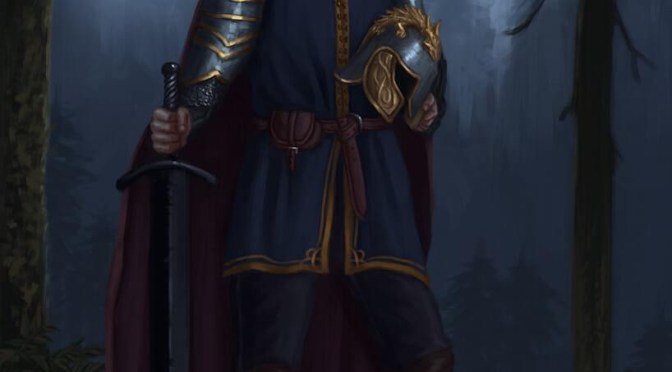
The Fall of Gondolin by J.R.R. Tolkien – A Tale of Heroism and Tragedy in Middle-Earth

“The Fall of Gondolin” by J.R.R. Tolkien is a posthumously published work that delves into one of the most captivating and tragic stories from the legendarium of Middle-earth. Edited by Tolkien’s son Christopher Tolkien and released in 2018, the book showcases the author’s unparalleled storytelling and imaginative prowess. “The Fall of Gondolin” takes readers on a journey to the hidden elven city of Gondolin, offering a gripping account of its rise, downfall, and the heroic efforts to defend it.

Summary:

“The Fall of Gondolin” is set in the First Age of Middle-earth, a time of great conflicts and monumental events. The narrative follows Tuor, a human hero guided by the Vala Ulmo, as he embarks on a perilous journey to find the hidden city of Gondolin. Tuor’s arrival in Gondolin sparks hope and inspires its people to prepare for the impending war against Morgoth, the Dark Lord.

Tolkien intricately depicts the beauty and grandeur of Gondolin, a city crafted with exquisite elven craftsmanship. However, the secrecy of Gondolin is compromised when Maeglin, a treacherous elf who desires power and the love of Tuor’s wife, Idril, reveals its location to Morgoth. As the forces of evil converge upon Gondolin, a dramatic and devastating battle unfolds, leading to the tragic fall of the city.

The story encompasses heroic deeds, epic battles, and personal sacrifices as the defenders of Gondolin, including its elven king Turgon, the swordsmith Ecthelion, and the mighty warrior Tuor, valiantly fight against overwhelming odds. The account of their struggle against Morgoth’s armies and the subsequent fall of Gondolin presents a deeply moving and tragic tale of heroism.

Key Themes:

1. Heroism and Sacrifice: “The Fall of Gondolin” explores the themes of heroism and sacrifice in the face of overwhelming adversity. The characters exhibit unwavering courage and selflessness, willingly risking their lives to protect their beloved city. Their sacrifices highlight the profound impact that individual choices and actions can have in the battle against evil.

2. Tragedy and Loss: The book masterfully depicts the tragedy of Gondolin’s fall, showcasing the devastating consequences of betrayal and the unstoppable might of Morgoth’s forces. The loss of a once-great city and its inhabitants serves as a reminder of the vulnerability of even the most majestic realms in the face of darkness.

3. The Power of Hope: Amidst the darkness and despair, “The Fall of Gondolin” emphasizes the power of hope and the ability of individuals to inspire change. The arrival of Tuor in Gondolin sparks a renewed sense of purpose and determination among its people, reminding readers of the importance of hope even in the darkest of times.

4. The Complexity of Characters: Tolkien’s rich characterizations are evident in “The Fall of Gondolin.” From the noble and valiant to the treacherous and conflicted, the characters possess depth and complexity. They face internal struggles, make difficult choices, and confront the consequences of their actions, showcasing the multidimensionality of Tolkien’s creations.

Conclusion:

“The Fall of Gondolin” stands as a captivating addition to J.R.R. Tolkien’s extensive legendarium, offering readers a poignant and tragic tale set in the vast tapestry of Middle-earth. Through its themes of heroism, sacrifice, tragedy, and hope, the book showcases Tolkien’s unmatched storytelling prowess and his ability to craft rich and engaging narratives. For fans of Tolkien’s works, “The Fall of Gondolin” serves as a captivating exploration of one of Middle-earth’s most pivotal moments, further deepening the reader’s appreciation for the immersive and enduring world Tolkien created.

The Children of Húrin by J.R.R. Tolkien – Tragedy, Destiny, and Redemption in Middle-Earth

“The Children of Húrin” by J.R.R. Tolkien is a captivating and tragic tale set in the vast and intricate universe of Middle-earth. Edited by Tolkien’s son Christopher Tolkien and published posthumously in 2007, the book delves into the dark and fateful story of the House of Húrin, exploring themes of destiny, heroism, and the consequences of pride and defiance. With its gripping narrative and richly detailed world-building, “The Children of Húrin” offers readers a deeper understanding of the intricate history and mythology that underpin Tolkien’s renowned legendarium.

Summary:

“The Children of Húrin” follows the tragic fate of Túrin Turambar, the ill-fated hero of the House of Húrin. The story takes place in the First Age of Middle-earth, a time of great strife and conflict. Túrin’s life is marked by a series of devastating events, beginning with the curse placed upon his father, Húrin, by Morgoth, the Dark Lord. This curse follows Túrin throughout his life, leading to a string of personal tragedies and the downfall of those he loves.

Túrin, driven by his pride and desire for revenge, embarks on a path that brings about the ruin of those around him. He becomes entangled in webs of deceit, faces betrayal from those he trusts, and unwittingly causes the suffering of innocents. The narrative explores the themes of fate and free will, as Túrin struggles against the doom that seems inexorably tied to his lineage.

Throughout his tumultuous journey, Túrin encounters various characters, including the wise elf Beleg, the mysterious and enigmatic Glaurung the Dragon, and the elven princess Nienor. These encounters shape Túrin’s fate and contribute to the tragic events that unfold.

Key Themes:

1. Tragedy and the Impact of Fate: “The Children of Húrin” is a deeply tragic tale, exploring the impact of destiny and the inescapable consequences of one’s actions. The narrative showcases the interconnectedness of events and the far-reaching consequences of choices made, both by the protagonists and the forces of evil. The tale serves as a reminder of the fragility of mortal lives in a world overshadowed by great powers.

2. Pride and Its Consequences: The book examines the destructive nature of pride and its devastating effects on the characters. Túrin’s arrogance and refusal to heed advice lead to disastrous outcomes, affecting not only his own life but also the lives of those around him. The narrative serves as a cautionary tale about the dangers of hubris and the destructive consequences it can unleash.

3. Redemption and Sacrifice: Despite the tragedy that befalls Túrin and those connected to him, the book also explores the themes of redemption and sacrifice. Characters such as Beleg and Nienor exhibit acts of selflessness and courage in their efforts to save Túrin from his doomed path. Their actions highlight the power of love, compassion, and self-sacrifice as forces that can counterbalance the darkness that pervades Middle-earth.

4. Mythology and World-Building: “The Children of Húrin” further expands on the rich mythology and world-building of Middle-earth. The narrative deepens the reader’s understanding of the complex history and conflicts of this fantastical realm, showcasing Tolkien’s meticulous attention to detail and his ability to create a cohesive and immersive universe.

Conclusion:

“The Children of Húrin” is a powerful and tragic addition to J.R.R. Tolkien’s extensive legendarium. The book delves into the depths of Middle-earth’s history, exploring themes of destiny, pride, redemption, and sacrifice. Through its vivid storytelling and compelling characters, “The Children of Húrin” offers readers a profound and haunting exploration of the consequences of choices made in a world shaped by ancient powers and epic conflicts.

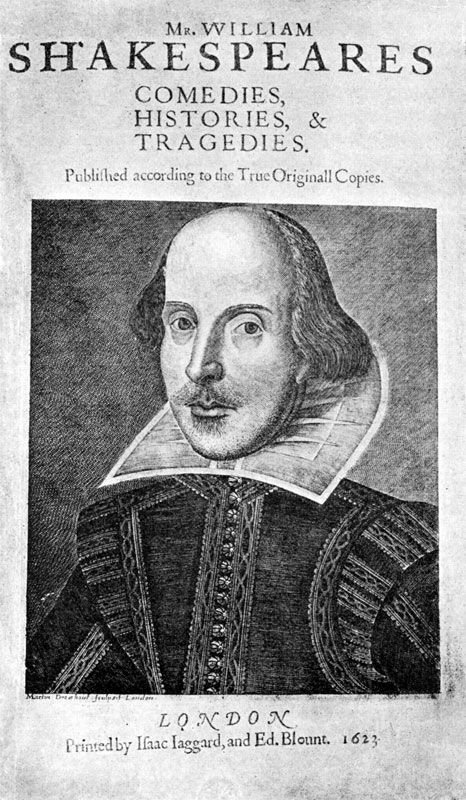
Response: All The World’s a Stage

Speech: “All the world’s a stage”

BY WILLIAM SHAKESPEARE

(from As You Like It, spoken by Jaques)

                                        All the world’s a stage,

And all the men and women merely players;

They have their exits and their entrances;

And one man in his time plays many parts,

His acts being seven ages. At first the infant,

Mewling and puking in the nurse’s arms;

And then the whining school-boy, with his satchel

And shining morning face, creeping like snail

Unwillingly to school. And then the lover,

Sighing like furnace, with a woeful ballad

Made to his mistress’ eyebrow. Then a soldier,

Full of strange oaths, and bearded like the pard,

Jealous in honour, sudden and quick in quarrel,

Seeking the bubble reputation

Even in the cannon’s mouth. And then the justice,

In fair round belly with good capon lin’d,

With eyes severe and beard of formal cut,

Full of wise saws and modern instances;

And so he plays his part. The sixth age shifts

Into the lean and slipper’d pantaloon,

With spectacles on nose and pouch on side;

His youthful hose, well sav’d, a world too wide

For his shrunk shank; and his big manly voice,

Turning again toward childish treble, pipes

And whistles in his sound. Last scene of all,

That ends this strange eventful history,

Is second childishness and mere oblivion;

Sans teeth, sans eyes, sans taste, sans everything.

RESPONSE:

I took a trip recently with my family to Atlanta, GA. For anyone who has ever been there (or any major city for that matter) you know that there’s one thing you can always count on: TRAFFIC. My daughter (8) and I were looking down out of our hotel window at all of the cars when I proposed a philosophical thought: Every one of those cars down has their own story.

In the digital age we are all put forth center stage, or so we think. From our “40,000ft View” we could literally see how far from the center we really were. EVERYONE you pass on the way to work, in the hallway, or rest beside in the pew has their own story. They have their own journeys. They have their own problems. They have their own triumphs.

We are not alone on our journey. You will find that you have much more in common with your fellow man than you think. Most people want to work to provide for their family, enjoy the fruits of their labor, and live long, happy lives. While there are forces that would hinder that progress, we have a much greater force on our side: The Lord God Almighty.

His single, unifying, all-powerful presence that lives within believers can overcome ALL obstacles. He has a guiding hand in all of our lives and even more so when we accept that Jesus is our Lord and Savior. Let Jesus be the Writer and Director of this play we call life. Follow His lead and the most beautiful performance will commence. One day, you might just meet everyone you saw from the top of that hotel and get to live their life through their own telling. Praising God for all eternity and hearing wondrous stories from all of those people sounds pretty grand to me.

God bless you all.